Destination Guide • Photography • Planning

Modena, Italy

Travel Guide — Photography & Planning

Where balsamic ages and engines roar

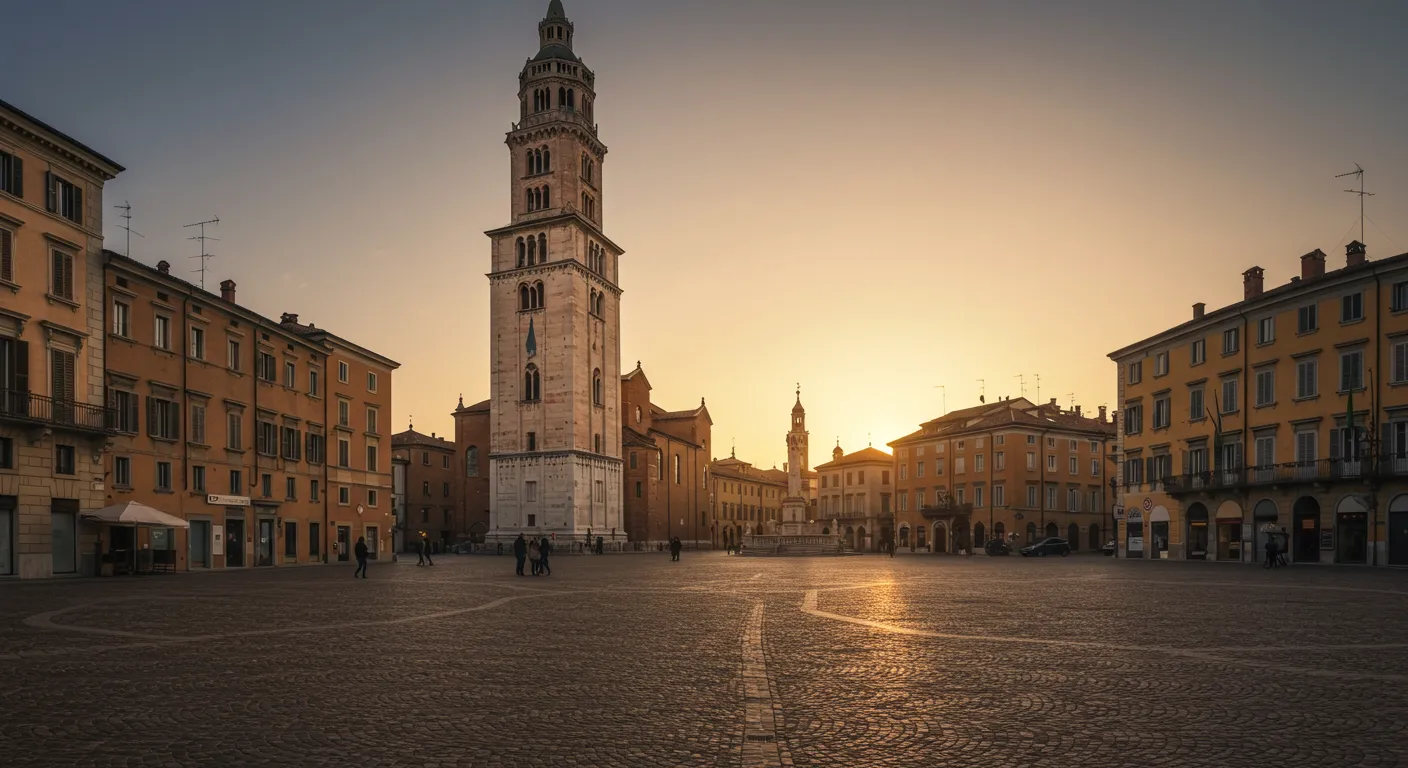
AI-generated hero image: Modena — Piazza Grande at golden hour with the Ghirlandina tower glowing amber

Photo by AI-Generated (Google Imagen)

Plan & Navigate

Quick Facts & Essentials

💰

Money & Costs

Currency: Euro (EUR, €). Roughly €1 = $1.08 USD [ASSUMPTION — rates fluctuate, check before travel]

Cards widely accepted at restaurants, shops, and hotels, but carry €20–50 in cash for small cafes, market stalls (like Mercato Albinelli), and some traditional trattorias. ATMs (bancomat) are easy to find in the centro storico. Tipping is not expected — service is usually included; rounding up or leaving €1–2 for good service is generous enough.

Budget: budget: €60 / $65 — mid-range: €130 / $140 — luxury: €300+ / $325+ per day

🗣️

Language

Official: Italian is the official language, spoken by everyone. A regional Emilian dialect exists among older locals but you'll never need it.

English is spoken in hotels, at Ferrari/Pagani/Maserati attractions, and by younger people, but Modena is less touristy than Florence or Venice — many trattorias and market vendors speak little English. A few Italian phrases go a long way here.

Useful: Buongiorno (Good morning / hello), Grazie mille (Thank you very much), Il conto, per favore (The check, please), Un tavolo per due (A table for two), Dov'è il bagno? (Where is the bathroom?)

🚗

Getting Around

Modena's historic center is compact and flat — walking is genuinely the best way to get around, and most sights (Duomo, Ghirlandina, Piazza Grande, Mercato Albinelli) are within a 15-minute stroll. You only need transport for the Ferrari Museum in Maranello or arriving by train. Skip renting a car unless you're touring the wider Motor Valley and balsamic vinegar estates.

Walking: The centro storico is small and pedestrian-friendly. Nearly everything worth seeing is walkable, and the porticoed streets make it pleasant even in light rain. — Free

Train (Trenitalia): Modena sits on the Milan–Bologna line. Bologna is ~30 min away, making Modena an easy day trip base. The station is a 15-min walk north of the center. — €4–8 regional to Bologna

City bus (SETA): Useful for reaching the train station or the Ferrari Museum in Maranello (line 800 from Modena). Buy tickets at tabacchi shops or via app; validate on board. — €1.50–3.50 per ride

Bike: Modena is flat and bike-friendly with rental options and bike lanes. Great for reaching outlying vinegar acetaie. [ASSUMPTION — confirm current rental providers] — €10–15 per day

⚠️ Safety Note: Modena is very safe, including for solo travelers and at night. The main real risk is petty theft near the train station and in crowded market areas — keep bags zipped and watch phones on cafe tables. Cyclists move fast through pedestrian zones, so look before stepping into bike lanes. Summer heat can be intense; the porticoes offer shade. Driving/parking in the ZTL (limited traffic zone) covering the historic center will earn you fines if you enter by car without a permit.

Getting There

Modena sits on the main Milan–Bologna rail corridor, so most visitors arrive by train — it's fast, frequent, and drops you a short walk from the centre. There's no airport in Modena itself; the nearest useful hubs are Bologna (about 40 km) and Milan for long-haul connections. Driving is easy via the A1 autostrada, but the historic centre is a restricted ZTL zone, so park outside it.

✈️ By Air

Bologna Guglielmo Marconi Airport (BLQ)📍 40 km from Modena centre
Marconi Express monorail to Bologna Centrale then train to Modena — approx 1h total, €11 monorail + €5 trainTaxi/private transfer direct to Modena — 40 min, €70–€90BLQ Airport bus to Bologna then train — approx 1h15, under €15 total
Milan Malpensa Airport (MXP)📍 230 km from Modena centre
Malpensa Express to Milano Centrale then high-speed train to Modena — approx 3h total, €30–€60Rental car via A1 — approx 2h30 driving

Bologna Marconi is the practical choice, well served by Ryanair and other European carriers. Use Milan (Malpensa or Linate) for intercontinental flights, then connect by high-speed rail. [ASSUMPTION] Seasonal low-cost routes into BLQ expand in summer.

🚆 By Train

Modena CentraleOn the Milan–Bologna line. Regionale from Bologna approx 25–35 min; from Milano Centrale approx 1h15–2h depending on service; Frecce and Italo high-speed trains stop here on some schedules linking to Milan, Bologna, Florence and Rome.

Regionale tickets are cheap and don't require advance booking — buy at machines or via the Trenitalia app and validate before boarding. High-speed Frecciarossa/Italo seats are cheaper booked ahead. Station is about a 15-min walk or short bus ride to Piazza Grande.

Train is the clear winner for reaching Modena from within Italy — frequent, affordable, and central. Fly only for the long-haul leg, then switch to rail.

🚗 By Car

From Bologna40 min from Bologna

Tolled motorway; keep a card or cash for the toll booths. Exit at Modena Nord or Modena Sud.

From Milanapprox 2h30 from Milan

Tolled. Straightforward flat-plain driving; heavy fog possible in autumn and winter on the Po Valley stretch.

From Verona / Brenner Passapprox 1h30 from Verona

Tolled; the main north–south route from Austria and the Alps, joining the A1 near Modena.

The historic centre is a ZTL (limited traffic zone) — cameras fine unauthorised cars, so don't drive in. Park at Parcheggio Novi Sad or other perimeter car parks and walk in. Expect roughly €1–€2/hour or a few euro per day at larger lots. Confirm ZTL boundaries with your hotel if you have parking access.

🚌 By Bus / Coach

Modena Autostazione (Via Bacchini)FlixBus and regional aMo services

FlixBus links Modena to Milan, Bologna, Florence and beyond, often cheaper than rail but slower. Book via the FlixBus app. For getting to the city train is usually faster and comparably priced.

🛂 Visa & Entry Requirements

Italy is in the Schengen Area. US and UK travellers can enter visa-free for up to 90 days within any 180-day period for tourism. EU/EEA citizens have unrestricted entry with a national ID card or passport. No visa fee applies for these short stays. [ASSUMPTION] The EU's ETIAS travel authorisation (a low-cost online pre-registration for visa-exempt visitors, not a visa) is expected to become required — check the official EU ETIAS site before travelling as the launch date has shifted repeatedly.

💡 Arrival Tips

  • Arriving by train? Buy a Trenitalia Regionale ticket for the Bologna–Modena hop rather than booking high-speed — it's a fraction of the price and just as convenient.
  • Do NOT drive into the centre — the ZTL cameras issue fines by post weeks later. Leave the car at a perimeter lot like Parcheggio Novi Sad.
  • ATMs (bancomat) in the centre give the best rates; skip currency-exchange kiosks. Cards are widely accepted but carry some cash for small trattorias and markets.
  • Many shops and family-run restaurants close for riposo in the early afternoon and Sunday/Monday — time your arrival to catch the Mercato Albinelli food market before it shuts around 2pm.
  • Most visitors treat Modena as a day trip from Bologna and rush it — stay overnight to shoot Piazza Grande and the Ghirlandina tower at blue hour without the crowds.

Safety & Accessibility

🛡️ General Safety

Modena is a genuinely safe mid-sized Emilia-Romagna city, notably calmer than Bologna, Milan, or Rome. The historic centre around Piazza Grande, the Duomo, and the Ghirlandina tower is comfortable to walk day and night. The main area requiring mild awareness is around the train station (Stazione FS) and the Via Ciro Menotti corridor after dark, where you may encounter loitering and occasional aggressive begging, but violent crime against tourists is rare.

⚠️ Common Risks

LOW
Petty theft and bag-snatching near the train station and at busy market moments (Mercato Albinelli, Saturday antiques markets)

Keep bags zipped and worn cross-body in front; don't leave phones or cameras on café tables in the piazza. Camera bags are targets — keep them closed and in sight.

MEDIUM
Cyclists and cars in the ZTL (limited traffic zone) — the centre is dense with bikes moving fast on shared cobbled streets

Look both ways even on pedestrianized lanes; bikes are silent and frequent. Do not drive a rental into the ZTL — cameras issue automatic fines to tourists constantly. [ASSUMPTION] Confirm your accommodation's ZTL access permit before arriving by car.

MEDIUM
Summer heat and humidity — the Po Valley traps hot, muggy air in July and August, with poor air circulation

Shoot early (sunrise light on the Ghirlandina is excellent) or after 18:00; carry water and use the free public fountains. Midday photography in high summer is flat and punishing.

LOW
Winter fog (nebbia) reducing visibility for driving and disrupting regional trains

Build buffer time into rail connections November through February; fog can be atmospheric for photos but drive slowly on rural roads toward Maranello/Nonantola.

🆘 Emergency Numbers

Police112EU-wide emergency line; English-speaking assistance is usually available, sometimes via a translation relay.
Ambulance118Direct medical emergency line; 112 also connects to ambulance dispatch.
Fire115Vigili del Fuoco; 112 also routes here.

🏥 Healthcare Access

Modena has strong public healthcare: the Azienda Ospedaliero-Universitaria di Modena (Policlinico) and the Nuovo Ospedale Civile Sant'Agostino-Estense (Baggiovara) provide full emergency (Pronto Soccorso) services. EU visitors with an EHIC/GHIC card are covered for public treatment; non-EU visitors should carry travel insurance since they'll pay out of pocket for public care and private clinics. Pronto Soccorso wait times for non-urgent (green/white code) cases can run several hours. Tap water is safe to drink, no special vaccinations needed, and no altitude concerns.

♿ Accessibility

Modena is moderately accessible for a historic Italian city — better than hill towns but still limited by cobblestones (pavé) across most of the centre, which jar wheelchairs and are hard on canes. The main squares (Piazza Grande, Piazza Roma) are broadly flat and navigable, but the Duomo's medieval interior has steps and uneven floors, and the Ghirlandina tower has no elevator. Wider modern museums fare much better than religious and medieval sites.

Step-Free Routes
  • Piazza Grande to Piazza Roma along the pedestrian centre — flat but cobbled, best on smoother paved stretches
  • The Parco Novi Sad and surrounding modern streets have smooth pavements
Accessible Transit
  • SETA city buses — many are low-floor and wheelchair-accessible
  • Modena train station main concourse has step-free access and assistance via Trenitalia Sala Blu (book ahead)
Accessible Attractions
  • Museo Enzo Ferrari (MEF) — modern building, step-free, accessible parking and restrooms
  • Museo Casa Enzo Ferrari and the Modena civic museums (Palazzo dei Musei) offer largely step-free access; the Duomo and Ghirlandina tower do not
Sensory Considerations

Modena is generally low-stimulation compared to major tourist cities. Mercato Albinelli is the notable exception — dense fragrance from cheese, cured meats, and produce plus echoing crowd noise under the covered hall, which can overwhelm scent-sensitive visitors, especially Saturday mornings. Museums are quiet with soft lighting; the Ferrari museums have engine soundtracks and occasional loud demonstration revs that may startle sound-sensitive visitors. The Duomo interior is dim and calm.

Travel Insurance

Comprehensive travel insurance is sensible rather than strictly essential here — Italy is politically stable and healthcare quality is high. EU/EEA travellers rely on their EHIC/GHIC for public care; everyone else should insure to avoid paying out of pocket. If you're driving to Maranello for a Ferrari factory experience or track day, confirm your policy covers any high-speed activity, as standard policies often exclude it. [ASSUMPTION] Coverage for expensive camera gear is worth adding given petty-theft risk near the station.

When to Go

Januarylow crowds

The quietest, coldest month, wrapped in fog that turns the historic centre atmospheric. Restaurants are full of locals eating winter classics, and you'll have Piazza Grande nearly to yourself. A photographer's month for mood over blue sky.

🌤 High 6°C/43°F, low 0°C/32°F; frequent fog, ~55mm rain

Best for: solo travellers · photographers · food lovers
Season: Nebbia (Fog Season)

Bottom Line: Late April to early June and all of September deliver the sweet spot: mild temperatures for all-day walking, markets and trattorie in full swing, and low-angled light that flatters Modena's porticoes and Piazza Grande. September edges ahead for food, catching harvest energy without August's closures. Skip peak July–August unless the Motor Valley is your main draw.

Where to Stay

Modena punches above its weight for value — you get real Emilia-Romagna hospitality at prices well below Bologna or Florence, and the compact historic centre means almost everything worth staying near is walkable. The catch: the calendar is dominated by events. Balsamic, opera, and especially the Formula 1 and MotoGP weekends nearby (plus the annual Motor Valley Fest) spike prices and gut availability, so your dates matter more than your budget here.

Luxury

Casa Maria LuigiaBoutique Hotel

Massimo Bottura's converted 18th-century villa — art-filled rooms, an acetaia, and a serious breakfast that alone justifies a splurge. Suits food pilgrims heading to Osteria Francescana who want the full immersion. You need a car or taxi, but that's the point: it's a retreat.

💰 $550–$900 per night📍 Countryside outside Modena (near Nonantola)
Book direct months ahead, especially if pairing with an Osteria Francescana reservation. Rates are highest spring through autumn.
Palazzo di Varignana (Modena-area retreat)Resort

Spa, pools, and estate dining for travellers who want a wellness base to explore the whole Motor Valley. Best for couples or slower trips with a rental car. [ASSUMPTION: distance from central Modena].

💰 $300–$550 per night📍 Hills between Modena and Bologna [ASSUMPTION: ~30 min drive]
Direct booking often includes spa credits. Summer weekends fill fast; shoulder season is far better value.

Mid-Range

Hotel Cervetta 5Boutique Hotel

Design-forward small hotel right by the Duomo and market — you can walk everywhere and roll back for a rest. Ideal for first-time visitors who want central without paying luxury rates. Rooms are compact but stylish.

💰 $120–$190 per night📍 Historic centre, steps from Piazza Grande
Books out during opera season and motor events. Direct and major OTAs price similarly; compare cancellation terms.
Best Western Premier Milano Palace HotelHotel

Reliable full-service comfort with parking — the practical pick for drivers doing Ferrari and Lamborghini day trips. Suits travellers who value predictability over character. Solid breakfast.

💰 $110–$170 per night📍 Near the historic centre / station side
Loyalty members book direct for perks. Prices climb sharply on motorsport weekends.

Budget

Ostello San Filippo NeriHostel

Clean, central, church-run hostel with dorms and some private rooms — unbeatable for the location at this price. Best for solo travellers and budget couples who want to spend money on food, not beds. Quiet rather than party vibe.

💰 $25–$60 per night📍 Historic centre
Reserve ahead in summer and during events; limited private rooms go first. Book direct or via hostel platforms.
B&B Hotel ModenaHotel

No-frills budget chain reliability with free parking — sensible for drivers on a tight budget who don't mind a short hop into town. Suits overnight stops and value-first travellers.

💰 $55–$90 per night📍 Outside centre, near ring road [ASSUMPTION]
Direct booking usually cheapest. Not walkable to the centre; factor in a car or bus.

Unique Stays

Acetaia agriturismo stay (e.g. Acetaia Villa San Donnino)Guesthouse

Sleep at a working traditional balsamic vinegar estate — tastings, aging lofts, and rural quiet that connect you to what Modena is actually famous for. Perfect for food-curious travellers with a car who want something no hotel offers. [ASSUMPTION: specific property availability varies].

💰 $100–$180 per night📍 Modena countryside among the vineyards
Book direct via the estate; rooms are few and go early in harvest season (autumn). Confirm whether tastings are included.
Central Modena apartment (via Airbnb/Booking)Apartment

A self-catered flat lets you shop the Albinelli market and cook regional produce — great for families or stays of three-plus nights. Trade-off: no daily service and variable check-in logistics.

💰 $80–$150 per night📍 Historic centre
Book several weeks ahead for central units. Confirm the tourist tax and any cleaning fees before comparing to hotels.

Booking Tips

Book 4–8 weeks ahead normally, but stretch to 3+ months if your dates touch Motor Valley Fest, F1/MotoGP weekends at nearby circuits, or opera season. Booking.com dominates local inventory, but small boutiques and agriturismi are often cheaper or only bookable direct — always cross-check their own site. Shoulder seasons (March–April, October) offer the best value; midsummer is hot and pricier. The mistake most visitors make is treating Modena as a Bologna overflow city and booking last-minute — event calendars here are ruthless, so lock in early and you'll pay a fraction of Tuscany prices.

What to Experience

★★★★★ Modena Cathedral (Duomo di Modena)

historical landmarkreligious site

A UNESCO-listed Romanesque masterpiece from the 12th century, and genuinely worth the hype. The stone reliefs by Wiligelmo on the facade are extraordinary up close. Free entry makes it an easy must-do.

🕐 Best Time: Mid-morning when soft light hits the west facade; interior is dim so bring a fast lens for handheld shots.

💡 Insider Tip: Walk around to the side portals to find the carved reliefs most rushed visitors miss. Look for the Arthurian legend carvings on the Porta della Pescheria.

💰 Fees: Free

🎟️ Booking: None

★★★★ Ghirlandina Tower

viewpointhistorical landmark

The 87-meter bell tower next to the Duomo and Modena's defining skyline landmark. The climb is worth it for rooftop views over terracotta roofs and the Emilian plain. Tight staircase, so not for everyone.

🕐 Best Time: Late afternoon golden hour for warm light on the rooftops; visibility is best after rain clears the haze.

💡 Insider Tip: Climb time slots are limited and often paired with the Duomo complex ticket. Go on a clear day or the flat-plain views underwhelm.

💰 Fees: Around 3 euros [ASSUMPTION]

🎟️ Booking: Book online

★★★★★ Piazza Grande

cultural landmarkhistorical place

The medieval heart of Modena, framed by the Duomo, Ghirlandina, and the Town Hall. It's a genuinely lived-in square, not a tourist stage set, which is its charm. Great for people-watching and morning coffee.

🕐 Best Time: Early morning before the cafe crowds and market stalls fill in; blue hour for symmetrical cathedral shots.

💡 Insider Tip: Find the Preda Ringadora, the ancient stone platform once used for public speeches and debtor humiliation, tucked near the cathedral wall.

💰 Fees: Free

🎟️ Booking: None

★★★★ Enzo Ferrari Museum (Museo Casa Enzo Ferrari)

museumcultural landmark

A striking yellow-roofed museum built around the house where Enzo Ferrari was born. The car displays and architecture appeal even to non-gearheads. Slightly out of the center but easily reached on foot.

🕐 Best Time: Opening time for emptier galleries and clean shots of the reflective cars without crowds in frame.

💡 Insider Tip: Combined tickets cover both this museum and the Ferrari Museum in nearby Maranello. If you love cars, budget a half day for both.

💰 Fees: Around 22 euros; combined tickets available [ASSUMPTION]

🎟️ Booking: Book online

★★★★ Mercato Albinelli

cultural landmarkhidden gem

Modena's historic covered food market, a working hub of Emilian produce, cheese, cured meats, and balsamic vinegar. Not a tourist trap yet, though it's getting more attention. Perfect for tasting the region without a restaurant bill.

🕐 Best Time: Late morning for peak activity and colorful stall displays under the market's iron-and-glass roof.

💡 Insider Tip: Go before noon for the full buzz; many stalls wind down in the afternoon and it's closed most Sunday and Monday afternoons.

💰 Fees: Free to enter

🎟️ Booking: None

★★★☆☆ Palazzo dei Musei

art gallerymuseum

A cultural complex housing the Estense Gallery, city museums, and a historic library. The Estense collection has some genuine masterpieces but the overall complex can feel dated. Best for those wanting depth on a rainy day.

🕐 Best Time: Afternoon, especially if the weather turns; it's an ideal indoor escape.

💡 Insider Tip: Prioritize the Galleria Estense and the Biblioteca Estense's illuminated manuscripts if time is short; skip the fringe collections.

💰 Fees: Around 8 euros for the Estense Gallery [ASSUMPTION]

🎟️ Booking: None

★★★★ Acetaia (Traditional Balsamic Vinegar Cellar Tour)

cultural landmarkhidden gem

Modena is the home of true aged balsamic vinegar, and visiting a family acetaia is the best way to understand it. Tours through the barrel lofts end with a tasting that reframes what you thought vinegar was. Deeply local and hard to replicate anywhere else.

🕐 Best Time: Morning tours when the loft light is best and tastings feel less rushed.

💡 Insider Tip: Book a small family-run producer in the hills rather than an industrial operation. The real Aceto Balsamico Tradizionale is DOP-certified and aged 12 to 25 years.

💰 Fees: Around 15-30 euros with tasting [ASSUMPTION]

🎟️ Booking: Book online

★★☆☆☆ Parco Novi Sad

botanical gardenfamily friendly

A large urban park near the center, useful as a green break rather than a destination. Hosts the Wednesday market and occasional events. Pleasant but skippable if your time is tight.

🕐 Best Time: Weekend mornings or during market days; golden hour for tree-lined walking paths.

💡 Insider Tip: Time a visit to the twice-weekly outdoor market for local color; otherwise it's just a decent spot for a picnic with market food.

💰 Fees: Free

🎟️ Booking: None

Neighbourhoods in Modena, Italy

Centro Storico

Mercato Albinelli & Surrounds

Parco Novi Sad & Station District

Corso Canalgrande & the Villa Ducale Axis

Motor Valley Fringe (Museo Enzo Ferrari area)

Via Emilia & the Portico Corridor

Day Trips from Modena, Italy

⏱️ Time: Full day

Highlights: Medieval porticoes (a UNESCO site), the two leaning towers, Piazza Maggiore, and the food-market lanes of the Quadrilatero. Climb the Asinelli Tower for rooftop views over terracotta roofs. Some of the best food in Emilia-Romagna without the gatekeeping — trattorias serving tagliatelle al ragu at fair prices.

Trains run constantly, so no booking needed for transport. Asinelli Tower climb requires a timed ticket booked ahead in peak season. Suits everyone — easy to reach and walkable. The porticoes are a lifesaver on rainy days.

⏱️ Time: Half day

Highlights: The Museo Ferrari — race cars, F1 history, and the option to book a track experience or factory shuttle. This is red-blooded pilgrimage territory for motorsport fans and a strong photo subject even if you don't care about engines.

Bus 800 connects from Modena but check timetables — service thins on Sundays [ASSUMPTION]. Driving experiences and simulators need advance booking and cost a lot. Pair with the Museo Enzo Ferrari back in Modena itself. Best for enthusiasts; casual visitors may find a half day plenty.

⏱️ Time: Full day

Highlights: The other food capital — Parmigiano-Reggiano and prosciutto di Parma at the source. Correggio's dizzying frescoed dome in the Cathedral and the octagonal Baptistery in pink marble. Elegant, less touristy than Bologna, with a refined pace.

Cheese and ham producer tours run mornings and must be booked ahead — arrange through the local Consortium or a tour operator. Suits foodies and art lovers. Easy train hop with regular service.

⏱️ Time: Full day

Highlights: A flat, cycle-friendly Renaissance city with a moated Este castle at its heart, intact medieval walls you can bike along, and quiet cobbled streets. A UNESCO city that most travelers skip — genuinely underrated.

Rent a bike to circle the city walls — that's the signature experience here. Train usually requires a connection, so plan the timetable. Suits those wanting an unhurried, crowd-free day. Flat terrain makes it family-friendly.

⏱️ Time: Full day

Highlights: The Roman Arena, Juliet's balcony (overrated and always mobbed — see it, don't queue), the river-hugging old town, and golden-stone piazzas. In summer the Arena hosts a famous opera festival under the stars.

Faster with a high-speed train, which is pricier and worth booking ahead for the best fares. Opera festival runs summer evenings and needs tickets well in advance. Skip the paid Juliet's House entry — the courtyard view is enough. Full commitment day given the distance.

⏱️ Time: Half day

Highlights: A postcard hilltop village of towers and a chessboard piazza, surrounded by Lambrusco Grasparossa vineyards. Balsamic vinegar acetaia tours and cellar tastings sit within easy reach. Golden-hour light over the vine rows is the shot.

Really needs a car — public transit here is thin and slow. Acetaia and winery visits require advance booking. Best in early autumn during harvest, or spring for green hills. Suits food-and-wine travelers with wheels and a designated driver.

⏱️ Time: Full day

Highlights: The world's finest Byzantine mosaics, glittering across eight UNESCO monuments including the Basilica di San Vitale and the tiny, jewel-box Mausoleo di Galla Placidia. A photographer's dream for detail and color.

The longest haul on this list, so start early and expect a train change. A single combined ticket covers most of the main mosaic sites. Interiors are dim — a fast lens or steady hands help since tripods are often not allowed [ASSUMPTION]. Best for those who prioritize art over travel time.

Scenic Routes

Modena Historic Centre Walk

📏 2.5km / 1.5hr walk

  • Piazza Grande and the UNESCO-listed Duomo with its Ghirlandina tower, best shot early before tour groups arrive
  • Portico-lined Via Emilia offering shade and symmetrical arch compositions
  • Palazzo Ducale facade at the end, a grand terminus for the walk

Balsamic Vinegar Hills Drive

📏 30km / 45min drive

  • Rolling vineyard hills of the Lambrusco and balsamico country, richest color in autumn harvest season
  • Medieval hilltop village of Castelvetro with checkerboard piazza and towers
  • Roadside acetaia (vinegar farms) where you can tour ageing lofts [ASSUMPTION] most require booking ahead

Panaro River Cycling Path

📏 25km / 1.5hr cycle

  • Flat, family-friendly riverside greenway with plenty of tree cover
  • Vignola cherry orchards, spectacular in spring bloom around April
  • Rocca di Vignola fortress as a rewarding castle finish

Ghirlandina to Estense Gardens Stroll

📏 1.8km / 1hr walk

  • Climb the Ghirlandina for elevated rooftop views over terracotta tiles, ideal at blue hour
  • Quiet backstreets with authentic local trattorias away from the main square
  • Giardini Ducali public gardens for a green, shaded finish and reflection shots

Apennine Foothills Scenic Loop

📏 120km / 3hr drive

  • Winding mountain roads into the Modenese Apennines with sweeping valley overlooks
  • Sestola village beneath Monte Cimone, the tallest peak of the northern Apennines
  • Chestnut forests glowing in autumn and snow-capped peaks in winter

Motor Valley Museum Trail

📏 20km / 30min drive

  • Enzo Ferrari Museum in Modena with its striking yellow architecture, a strong graphic photo subject
  • Ferrari Museum in Maranello for the ultimate car-culture stop, honest note: overpriced if you are not a fan
  • Rural farmland stretches between towns for classic red-car-on-country-road shots

Street Art in Modena, Italy

Modena is not a headline street-art city the way Bologna or Milan are, but it has a real, working scene concentrated around the former industrial fringes and youth centres. The action clusters near the old AeM/creative reuse zones and along underpasses and rail-adjacent walls where the municipality has quietly tolerated or sanctioned murals. [ASSUMPTION] Much of the notable work has appeared through festival and workshop initiatives rather than a dense organic wall culture, so expect fewer pieces per block than in bigger cities but a handful of ambitious large-format walls.

🗺️ Route: Start near the historic centre (Piazza Grande), walk or bike west/northwest toward the ex-industrial and creative-reuse zones and rail underpasses; roughly 3–4 km, 2–3 hours on foot. Modena is compact and flat, ideal by bike (public bike share and rentals available). Best in late afternoon for soft side light on wide walls.

★★★★ AGO / ex-Ospedale Sant'Agostino creative-reuse zone

CommissionedPHOTOGOLDEN HOURWORKSHOP SPOT

Modena's cultural-regeneration hub and surrounding walls attract commissioned murals and workshop pieces tied to arts programming; the best place to find larger sanctioned works. [ASSUMPTION] Rotation is periodic, tied to events.

🎨 Artists: Unknown; varies by commission

📍 Location: Largo Porta Sant'Agostino area, near the historic centre

🕐 Best time: Late afternoon golden hour for warm wall light

★★★☆☆ Rail underpasses and Stazione Modena periphery

UnknownPHOTOTRANSIT-FRIENDLYRAINY DAY

Underpasses and railside walls near the station carry a mix of tolerated tags and larger sanctioned panels. Good for gritty texture shots and lettering, though quality is inconsistent.

🎨 Artists: Unknown / local writers

📍 Location: Underpasses around Piazzale Natale Bruni / Stazione FS

🕐 Best time: Midday or overcast to fill shadowed underpass walls

★★★☆☆ R-Nord / Villaggio Artigiano regeneration district

SanctionedHIDDEN GEMPHOTOBUDGET

A former artisan-industrial district northwest of the centre that has hosted community art and mural interventions as part of urban regeneration. Worth the ride for larger, less-photographed pieces. [ASSUMPTION]

🎨 Artists: Unknown; community-led projects

📍 Location: Villaggio Artigiano, northwest Modena (by bike from centre)

🕐 Best time: Afternoon

★★☆☆☆ Parco Novi Sad edges and skate/youth areas

UnknownFREETRANSIT-FRIENDLY

Youth-frequented open space with occasional legal walls, stickers, and paste-ups. Low density but authentic street-culture feel; more social than photogenic.

🎨 Artists: Unknown

📍 Location: Parco Novi Sad, near the market and bus interchange

🕐 Best time: Late afternoon

💎 Hidden Gems

Skip trying to find a dense mural district and instead ride out to the Villaggio Artigiano regeneration area, which most day-trippers heading to the Duomo and Ferrari sights never see. The reuse projects there and the small commissioned pieces tied to local arts programming are the closest Modena gets to an insider scene. Check current listings from AGO/local cultural venues before you go, since much of the best work is event-driven and can be repainted.

📋 Practical Notes

Modena is safe and walkable; the centre is compact and largely flat, making a bike the smartest way to cover the outer walls. Rail-underpass spots are fine by day but quieter after dark. There is no established dedicated street-art tour here, so this is a self-guided ride. Rotation is slow to moderate outside festival periods; be respectful photographing near residences and youth centres, and always confirm venue access if walls sit inside reuse complexes. [ASSUMPTION] Guided options, if any, are seasonal and tied to cultural events.

Cultural Significance

Modena is a compact Emilian city where craft, engine, and gastronomy fuse into a distinct identity — a place that takes slow food and fast cars equally seriously. Shaped by medieval Romanesque genius, the Este ducal court, and a fiercely proud artisan tradition, it punches far above its size in cultural weight. This is where balsamic vinegar ages for decades in attic barrels and where Ferrari and Maserati were born.

Modena Cathedral (Duomo) and Ghirlandina Tower11th–13th century

One of the finest examples of Romanesque architecture in Europe, begun in 1099 by architect Lanfranco with sculptural reliefs by Wiligelmo that mark a turning point in medieval European art. The complex — cathedral, Ghirlandina bell tower, and Piazza Grande — represents civic and religious identity converging at the birth of the free commune.

UNESCO World Heritage site since 1997. Free to enter the cathedral; study Wiligelmo's Genesis reliefs on the facade. Piazza Grande remains the living civic heart where locals gather.
Traditional Balsamic Vinegar (Aceto Balsamico Tradizionale)Living tradition, documented since the Renaissance

Modena's most iconic living craft — real traditional balsamic is aged a minimum of 12 years (often 25+) in a battery of shrinking wooden barrels, protected by DOP status. It is a family heirloom tradition, passed down through generations, utterly distinct from the cheap commercial condiment sold worldwide.

Visit an acetaia (vinegar loft) in the surrounding countryside for a tasting — many family producers offer tours. Look for the DOP seal; genuine bottles cost a lot for good reason.
The Este Ducal Legacy1598–19th century

When the Este family lost Ferrara in 1598, they made Modena their ducal capital, transforming a provincial town into a center of court art, collecting, and music. Their patronage built the cultural infrastructure that still defines the city's identity.

The Este collections survive in the Galleria Estense (major art museum) and the Estense Library. Knowing this history explains why a small city holds such rich collections. [ASSUMPTION] Ticketed access applies to the galleries.
Opera and the Pavarotti Legacy20th century–present

Luciano Pavarotti was born and is buried in Modena, and the city's operatic and vocal tradition runs deep. Modena's musical pride is genuine, not marketed — the great tenor remains a local hero.

Attend a performance at the Teatro Comunale Luciano Pavarotti, the historic opera house. Casa Museo Luciano Pavarotti on the city outskirts preserves his home. Opera season runs autumn through spring.
Motor Valley — Ferrari and Maserati Heritage1914–present

Modena sits at the heart of Italy's 'Motor Valley.' Enzo Ferrari was born here, Maserati was headquartered here, and precision engineering is a cultural expression as much as an industry — a source of intense local identity and craftsmanship pride.

The Enzo Ferrari Museum (MEF) in Modena celebrates the founder; Maranello nearby holds the main Ferrari museum. Even non-enthusiasts feel the engineering pride woven through the city.
Emilian Food Culture and the Mercato AlbinelliLiving tradition

Modena anchors one of the world's great food regions — tortellini, tigelle, gnocco fritto, Lambrusco, and Parmigiano-Reggiano from surrounding dairies. Food here is a daily communal ritual and a defining marker of local pride, elevated globally by Massimo Bottura's Osteria Francescana.

Explore the covered Mercato Albinelli (early 20th-century market hall) for produce, cheese, and cured meats. Eat tortellini in brodo in winter and pair everything with local Lambrusco. Osteria Francescana requires booking far ahead.

Living Culture

Modena's culture is lived at the table, in the workshop, and in the opera house — not preserved behind glass. The rhythm of the week centers on the Mercato Albinelli, neighborhood trattorie serving hand-rolled tortellini, and aperitivo hours with Lambrusco in Piazza Grande. Food is genuinely central to identity here, and the city's global fame via Massimo Bottura's Osteria Francescana has reinforced rather than replaced its deep home-cooking traditions. The engineering culture is equally alive: this is a place where craftsmanship — whether tuning an engine, aging vinegar, or rolling pasta — is treated as an art form and a matter of local honor.

Visitor Respect

Cover shoulders and knees when entering the Duomo and other churches; avoid loud talking and flash photography during services. When offered traditional balsamic, taste it respectfully — it is a prized heirloom, not table dressing, and pouring it over food or dismissing it can offend a producer. Don't confuse cheap supermarket 'balsamic of Modena' with the aged DOP product; locals care about the distinction. Meals are unhurried — don't rush the service or ask for substitutions to classic dishes. A polite 'Buongiorno' on entering shops and markets is expected.

Eat & Drink

Modena sits at the heart of Emilia-Romagna, arguably Italy's most serious food region, and it wears that reputation without pretension. This is the home of traditional balsamic vinegar aged for decades, Parmigiano-Reggiano, Lambrusco, and tortellini in brodo. The city gave the world Massimo Bottura and one of the planet's most celebrated fine-dining rooms, but the everyday eating here is what truly defines it: handmade pasta, cured pork, and vinegars that cost more than wine.

Coffee, Cafés & Bakeries

Bar Schiavoni

Café

Specialty: Espresso and the famous panino in the Albinelli market

📍 Mercato Albinelli, Centro

Go mid-morning while the market buzzes. Standing room, quick service.

Caffè Concerto

Café

Specialty: Espresso and aperitivo with a front-row view of Piazza Grande

📍 Piazza Grande, Centro Storico

Premium prices for the piazza terrace. Best at golden hour facing the Duomo.

Bloom Caffè

Café

Specialty: Specialty-coffee filter brews and modern espresso

📍 Centro [ASSUMPTION]

[ASSUMPTION] For third-wave coffee if standard Italian roasts aren't your thing. Morning is best.

Caffè dell'Orologio

Café

Specialty: Classic Italian bar coffee and pastries

📍 Centro, near the clock tower

Reliable stop for a quick standing espresso between sights.

Panificio San Francesco

Bakery

Specialty: Fresh gnocco fritto, tigelle, rustic breads

📍 Centro Storico

Go early for warm gnocco. Sells out of fresh flatbreads by midday.

Forno San Giorgio

Bakery

Specialty: Sourdough loaves, focaccia, savory bakes

📍 Centro [ASSUMPTION]

[ASSUMPTION] Good grab-and-go for a picnic near the Ghirlandina tower.

Breakfast & Brunch

Pasticceria Remondini

BakeryBreakfast

Specialty: Bomboloni, torta barozzi, breakfast pastries

📍 Centro

Classic Italian breakfast of cappuccino and cornetto. Arrive before 9am for the best selection.

Lunch

★★★★★ Trattoria Aldina

Specialty: Tortellini in brodo, tagliatelle al ragù, bollito misto

📍 Centro, Via Luigi Albinelli 40 (above the market)

Cash-friendly, first-floor room, lunch only. Arrive right at opening or wait. Classic Modenese cooking at fair prices.

★★★★ Hosteria Giusti

Specialty: Cotechino in crosta, fried gnocco with cured meats, balsamic-glazed dishes

📍 Centro, Vicolo Squallore 46 (behind the salumeria)

Tiny room with only a handful of tables, lunch only. Reserve well in advance. One of the most atmospheric meals in town.

Ristorante Zelmira

Vegetarian

Specialty: Vegetable primi, seasonal risotto, egg-based fresh pasta

📍 Centro Storico

Traditional room with reliable meat-free options. Kitchen understands dietary requests.

L'Erba Voglio

VegetarianVegan

Specialty: Vegetarian and vegan lunch plates, salads, seasonal soups

📍 Centro [ASSUMPTION]

[ASSUMPTION] Casual midday spot for lighter plant-based eating. Verify on arrival.

Dinner

★★★★★ Osteria Francescana

Specialty: Multi-course tasting menus, tortellini walking into broth, five ages of Parmigiano

📍 Centro Storico, Via Stella 22

Reservations open months ahead and vanish in minutes. Book the instant the window opens. Expensive but a genuine bucket-list meal.

★★★★ Ristorante Zelmira

Vegetarian

Specialty: Seasonal vegetable-forward primi, gnocco fritto, local produce

📍 Centro Storico, near Piazza Grande

Solid vegetarian options within a traditional menu. Book ahead on weekends.

★★★☆☆ Ganzo Green

Vegan

Specialty: Plant-based Emilian-inspired plates, seasonal bowls, vegan pasta

📍 Centro [ASSUMPTION]

[ASSUMPTION] Verify hours and location on arrival. Good refuge from the region's meat-heavy default.

Ganzo Green

Vegan

Specialty: Fully plant-based menu, vegan pasta and desserts

📍 Centro [ASSUMPTION]

[ASSUMPTION] The most dedicated vegan kitchen in a heavily meat-driven city. Confirm hours ahead.

Budget Eating Strategy

Eat your big meal at lunch. Trattorie like Aldina serve the same handmade pasta at lower midday prices, and lunch-only spots avoid dinner surcharges.

Assemble a picnic from Mercato Albinelli: Parmigiano-Reggiano, mortadella, fresh bread, and a bottle of Lambrusco cost a fraction of a sit-down meal.

Drink coffee standing at the bar (al banco) rather than seated. The same espresso can cost half as much without table service.

Shop

Modena's shopping leans understated and quality-driven — think artisan workshops, balsamic estates, and a compact historic centre rather than flashy retail. Shoppers who value provenance and craftsmanship over volume will find more here than bargain hunters.

Markets

Mercato Antiquario del SabatoAntiques

Vintage furniture, old prints, ceramics, retro Italian design objects, and period ephemera. Good for small collectibles you can pack.

🕐 Fourth weekend of most months, Sat–Sun 8am–7pm [ASSUMPTION]📍 Novi Sad park / Parco Novi Sad area
Mercato Albinelli (non-food goods)Mixed

A gorgeous Art Nouveau covered hall — while primarily food, it's worth it for the architecture, flower stalls, and the odd homeware or ceramic vendor.

🕐 Mon–Sat roughly 6:30am–2:30pm, some evenings in summer📍 Via Albinelli, historic centre
Mercato Settimanale (Weekly Market)Mixed

Affordable clothing, leather goods, household items, and fabrics — where locals actually shop rather than tourists.

🕐 Mon roughly 8am–1pm [ASSUMPTION]📍 Parco Novi Sad

Shopping Districts

Via Emilia Centro & the historic centre

The main artery through the old town, mixing mid-range Italian brands, independent boutiques, and the streets radiating toward Piazza Grande with more characterful shops.

Look for local leather goods, tailored menswear, and specialty shops near the Duomo. Side streets like Via Farini and Via Castellaro hold the more distinctive independents.

Balsamic vinegar acetaie (city outskirts)

Family-run vinegar estates around Modena where traditional balsamic is aged — as much an experience as a purchase.

Acetaie such as those in the Modena hills offer tastings and sealed bottles of DOP Aceto Balsamico Tradizionale. This is the definitive local buy.

Via Farini / Piazza Grande area

The elegant core near the UNESCO-listed cathedral, with a scattering of higher-end and artisan shops among cafes.

Ceramics, artisan stationery, and quality gift items. Better for browsing and photos than serious retail volume.

What to Buy

Aceto Balsamico Tradizionale di Modena DOP

The real, cask-aged balsamic — aged 12 or 25 years — is genuinely world-class here and hard to find authentic elsewhere. Distinct from the industrial 'IGP' supermarket versions.

📍 Visit an acetaia directly, or reputable specialty shops in the centre.💰 $45–$100+ for a small 100ml bottle of Tradizionale
Leather goods

Emilia-Romagna has a strong leather tradition; Modena boutiques stock well-made bags, belts, and small goods at fairer prices than tourist cities.

📍 Independent shops along Via Emilia Centro and side streets.💰 $40–$300 depending on item
Ceramics and majolica

The wider region has a ceramics heritage; you can find hand-painted pieces that make durable, packable gifts.

📍 Artisan shops near Piazza Grande and the antiques market.💰 $15–$120
Ferrari and motorsport memorabilia

Modena is Ferrari and Maserati country (the Enzo Ferrari Museum is here), so official merchandise has genuine local relevance.

📍 Museum shops (Museo Enzo Ferrari, Museo Ferrari in nearby Maranello) and licensed retailers.💰 $20–$200+
Vintage Italian design objects

The antiques market yields mid-century lamps, glassware, and small furnishings with real character and a story.

📍 Mercato Antiquario del Sabato.💰 $10–$150 for small pieces

Shopping Tips

Most shops close for a long midday break (roughly 1–4pm) and are shut Sunday afternoons and Monday mornings, so plan around the pattern. Cash is still king at markets and small acetaie, though centre boutiques take cards. Time antiques hunting for the monthly weekend market and arrive early. The thing most visitors miss: booking a direct acetaia visit rather than buying balsamic in shops — the tasting alone is worth the trip and you'll buy far better product.

See Through the Lens

Piazza Grande & Ghirlandina Tower

Best: Blue hour 6:15am winter / 5:00am summer for empty square and lit facades; golden hour warms the marble at 4:30pm Dec / 8:00pm Jun. Early morning best for crowd-free frames.

Ghirlandina Tower Summit

Best: Golden hour last entry — check closing, typically opens weekends/holidays. Aim for 3:30–4:30pm Dec, 6:30–7:30pm Jun for warm side-light on rooftops.

Mercato Albinelli

Best: Open roughly 6:30am–2:30pm; go 9:00–10:30am when stalls are fully dressed and light filters through the glass roof. Avoid the noon rush.

Palazzo Ducale (Military Academy)

Best: Golden hour front-lights the facade in late afternoon — 4:00pm Dec, 7:30pm Jun as the sun swings west. Blue hour 6:30pm winter for illuminated symmetry.

Via Emilia & the Portici (Arcades)

Best: Shoot when sun aligns with the street axis — early 7:30am winter / 6:30am summer for east light, or 5:00pm winter / 8:00pm summer for west. Blue hour for lamp-lit arches.

Enzo Ferrari Museum (MEF) — yellow roof

Best: Exterior best mid-morning 10:00am when sun catches the yellow panels; blue hour 6:30pm winter for the lit structure against deep blue. Interior any time — controlled light.

Novi Sad Park & Reflecting Ponds

Best: Sunrise 7:35am Dec / 5:45am Jun for mist over the grass; golden hour returns 4:15pm Dec / 8:15pm Jun through the tree canopy.

Balsamic Acetaia (Traditional Vinegar Loft)

Best: Book a mid-morning tour 10:00–11:00am when window light rakes across the barrel rows. Interior light is consistent year-round.

Seasonal light: Modena sits at about 44.6°N in the Po Valley, and the valley's defining trait is fog. From late October through February, dense morning nebbia settles over the plain — a gift for atmospheric shots in parks and along the arcades, but it can smother summit panoramas from the Ghirlandina for days. Winter sunrise lands around 7:35am and sunset near 4:40pm, giving short but very warm low-angle light that rakes perfectly down Via Emilia's porticoes. Summer flips this: sunrise near 5:45am and sunset past 8:45pm, with long soft golden hours but harsh, contrasty midday sun that flattens the marble piazza — plan interiors like Mercato Albinelli and the acetaie for those hours. Spring and autumn are the sweet spots: clear-enough skies for rooftop views plus enough haze for mood. Gear and editing: Modena rewards a compact two-lens kit — a 24–70mm for architecture and markets, and a fast 35mm or 50mm prime for the arcades and candid vendor work in low interior light. Bring a polarizer (kills reflections on Ferrari paintwork and deepens hazy skies) and a light travel tripod for blue-hour piazza and portico frames. ISO 800–1600 handheld is the norm for the covered market and vinegar lofts. In editing, lean into the terracotta-and-marble palette: warm the white balance slightly for the Romanesque stone and wooden barrel rooms, but pull it cool for foggy park mornings to keep the mist believable. Recover highlights carefully on the bright Duomo facades against dark skies, and embrace the low winter sun's long shadows rather than lifting them out — that contrast is the character of the place.

Plan Your Days

Suggested Itinerary

Generated with this Modena, Italy guide — use it as a starting point for your own Itinerary.

How Long Do You Need?

Modena rewards the unhurried — it's a compact city of marble, motors, and vinegar loft magic that most travellers blitz through en route to Bologna. Don't. If you do one thing, be in Piazza Grande at blue hour for the Duomo and Ghirlandina Tower lit and crowd-free.

Day 1 — Centro Storico Blue Hour to Golden Marble

Morning: Start in Piazza Grande at 6:15am (winter) / 5:00am (summer) for empty-square blue hour with the lit Duomo and Ghirlandina facades. After the light lifts, explore Modena Cathedral properly (a must-do UNESCO Romanesque masterpiece). By 9:00am walk five minutes to Mercato Albinelli — arrive 9:00–10:30am when stalls are fully dressed and light filters through the glass roof. Grab breakfast and a coffee here.

Afternoon: Break for lunch near the market, then wander the Via Emilia arcades in the Via Emilia & the Portico Corridor at an easy pace. Around 3:30pm (winter) / 6:30pm (summer) climb the Ghirlandina Tower for golden-hour side-light over the rooftops — check closing times as summit access is often weekends/holidays only.

Evening: Dinner in the Centro Storico — order tortellini in brodo and a splash of traditional balsamic. After dark, return to the Portici for lamp-lit arches, or grab a nightcap in Piazza Grande.

📷 Photo Prime Time: Piazza Grande & Ghirlandina Tower at blue hour — 6:15am winter / 5:00am summer. Shoot low and centre the tower against the Duomo apse for symmetry with the lit facades. [NEXTPIC]
Day 2 — Motors, Vinegar, and the Ducal Axis

Morning: Head to the Enzo Ferrari Museum (Museo Casa Enzo Ferrari) in the Motor Valley Fringe for a 10:00am arrival — that's when the sun catches the yellow roof panels for the exterior shot. The interior is controlled light, so work it anytime. Allow two hours inside.

Afternoon: Book a mid-morning-to-midday Acetaia (Traditional Balsamic Vinegar Cellar Tour) — reserve ahead. Aim for the 10:00–11:00am slot on a separate slot if the Ferrari timing conflicts, or slot the Acetaia today at midday when window light rakes across the barrel rows. Late afternoon, move to the Corso Canalgrande & the Villa Ducale Axis; be at Palazzo Ducale (Military Academy) by 4:00pm (winter) / 7:30pm (summer) for front-lit facade golden hour.

Evening: Stay near Palazzo Ducale for blue hour at 6:30pm (winter) — the illuminated symmetry is the shot. Dinner along Corso Canalgrande; try a local osteria and pair with a Lambrusco.

📷 Photo Prime Time: Palazzo Ducale (Military Academy) golden hour — 4:00pm Dec / 7:30pm Jun as the sun swings west. Shoot the facade straight-on for the classical symmetry; return at 6:30pm blue hour for the lit version. [NEXTPIC]
Day 3 — Park Mist and Rainy-Day Backups

Morning: Be at Novi Sad Park & Reflecting Ponds for sunrise — 7:35am (winter) / 5:45am (summer) — for mist over the grass and reflections in the ponds. This is Parco Novi Sad in the Station District, low-key but atmospheric at dawn. Afterward, if the weather turns, Palazzo dei Musei is your rainy-day, transit-friendly refuge with strong collections.

Afternoon: Lunch back in the Centro Storico. Use the afternoon for a regional day trip if energy allows — Bologna is a short train hop for the Portici and towers, or head to Castelvetro di Modena and the Wine Hills for vineyard frames. Return to Parco Novi Sad by 4:15pm (winter) / 8:15pm (summer) for golden hour through the tree canopy.

Evening: Final dinner in Mercato Albinelli & Surrounds or the Centro Storico — go for a tasting menu featuring traditional balsamic. Take one last walk to Piazza Grande for the lit facades before heading out.

📷 Photo Prime Time: Novi Sad Park & Reflecting Ponds sunrise — 7:35am Dec / 5:45am Jun. Shoot low toward the ponds to catch mist and reflected sky; a wide lens exaggerates the foreground grass. [ASSUMPTION] pond water level varies seasonally — check before dawn.

Premium section

Special-interest guides for Modena, Italy

This part of the guide is included with a NextTripLabs account. Sign in to read it here — full guide unlocks and itineraries are available in the NextTripLabs app.

Nightlife

Modena's nightlife is understated and aperitivo-driven, built around the medieval centro storico rather than late clubbing. Evenings start early with Lambrusco and spritz around Piazza Grande and the covered market area from 6:30pm, and by 11pm most of the action is small wine bars and a handful of late pubs. This is a local, university-tinged scene — you'll rarely hear English, and the big clubs are mostly out toward the ring road or across in Bologna.

Osteria del Vino
Wine Bar$$📍 Centro storico, near Piazza Grande

"A cramped, bottle-lined room where locals argue over which Lambrusco producer is best over plates of gnocco fritto and cured meats."

[ASSUMPTION] Best for early evening aperitivo, 6:30-9pm. No cover, no dress code. Try the sparkling Lambrusco di Sorbara — dry, not the sweet supermarket stuff.

Juta BarLATE
Bar$📍 Near Parco Novi Sad / Tempio area

"A relaxed student-favourite spritz bar with outdoor tables that fill up as soon as the weather turns warm."

Cash-friendly, casual crowd. Good aperitivo spread included with drinks. Busiest Thursday to Saturday.

Archer Cocktail Bar
Cocktail Lounge$$$📍 Centro storico

"A dim, deliberate cocktail room where bartenders take their craft seriously and the pace is unhurried."

[ASSUMPTION] Reservation smart on weekends. Smart casual. Come for well-made classics rather than a party — closes before the pubs do.

Amigdala / Irish-style pubLATE
Pub$📍 Near the university quarter

"A loud, beer-soaked student haunt where the football's on and the tables spill onto the street until well past midnight."

No cover, no dress code. Cheap pints, packed on match nights and Fridays. Good landing spot when the wine bars close.

La TendaLATE
Live Music$$📍 Viale Molza area, near the ring road

"Modena's scrappy municipal live-music venue — indie, punk, singer-songwriters and touring bands in a no-frills hall."

Ticketed events, prices vary by act. Check the program before you go — it's dark on nights without a booking. Genuinely local, not touristy.

Vibra ClubLATE
Club$$📍 Outskirts / industrial zone

"A proper out-of-town club and concert space for when Modena wants to actually dance — electronic nights, live gigs and DJ sets."

[ASSUMPTION] Weekend event-driven; check the calendar. Cover charge typical for club nights (10-20 euro). You'll need a taxi or rideshare to reach it.

Enoteca Ducale
Wine Bar$$📍 Centro storico, side streets off Via Emilia

"A quiet, grown-up spot for Emilian wines by the glass and Parmigiano-heavy nibbles, favoured by locals avoiding the student crowd."

[ASSUMPTION] Great mid-evening. Ask staff for regional pairings — they know their Lambrusco and Trebbiano. Closes relatively early.

Mercato Albinelli (evening events)
Other$📍 Centro storico, covered market

"The historic covered market shifts from produce stalls to an evening aperitivo hub on select nights, with food counters and casual drinks under the ironwork."

[ASSUMPTION] Check for evening opening hours — not every night. Casual, food-first, great for early sunset drinks and photos of the market architecture.

🎶 Live Music Scene

Modena's live scene is small but real, anchored by La Tenda for indie and touring acts and occasional gigs at Vibra Club on the outskirts. The city's deep operatic heritage (Pavarotti was born here) means classical and opera at the Teatro Comunale matters more than rock — check its season for a very different kind of night out. For bigger touring acts, most locals drive to Bologna.

🌙 Safety at Night

Modena is a small, generally safe city; the centro storico is fine to walk late, though it empties out and can feel quiet after midnight. The area around the train station (Stazione) and Parco Novi Sad is where to be a bit more alert after dark — keep to lit main streets. City buses stop running fairly early (roughly by 8-9pm), so plan on walking within the centre or booking a taxi; rideshare like Uber is limited in Modena, so use official white taxis or a taxi app and pre-book for out-of-town venues.

💡 Practical Notes

  • Cover charges: rare in bars and wine bars; expect 10-20 euro for club nights or ticketed live music at venues like Vibra and La Tenda.
  • Dress code is relaxed — smart casual is plenty even for cocktail lounges; only the out-of-town clubs occasionally get pickier. Sportswear may draw looks but rarely a refusal.
  • Last call reality: wine bars and aperitivo spots wind down by 11pm-midnight; pubs run to 1-2am; clubs on the outskirts go until 3-4am but only on weekends.
  • Reservations: worth it for the better cocktail bars and any ticketed live show; walk-in is fine everywhere else.
  • Local custom: nightlife here is aperitivo-first — Modenesi drink Lambrusco early with food, dinner runs 8-9:30pm, and true late-night dancing means heading out of the centre or to Bologna. Don't expect a big club scene inside the old town.

Build your own Itinerary from this guide

Pick the places you care about — attractions, photo spots, map markers — and we'll lay out a day-by-day starting point. Yours to edit; guide updates never touch it.

Traveller's Guide

Modena is a compact Emilia-Romagna city where slow food is a genuine way of life, not a marketing slogan — this is the birthplace of balsamic vinegar, tortellini, Lambrusco, and the Ferrari. It feels quieter and more lived-in than Bologna or Florence, with an ochre-toned medieval core you can cross on foot in twenty minutes, yet its culinary and engineering pedigree punches far above its size.

Two Motor Museums, One Legend

The Enzo Ferrari Museum (Museo Enzo Ferrari) sits in town near the train station, while the Ferrari Museum in Maranello is a 20-minute drive south. Modena is also home to the Panini Motor Museum and Pagani's factory nearby. Buy combined tickets online and go early — the Maranello site gets tour-bus crowds by midday.

Traditional Balsamic vs. Supermarket Fake

Real Aceto Balsamico Tradizionale di Modena DOP is aged 12–25 years in family acetaie and costs €40+ for a tiny 100ml bottle sealed with a certified white cap. Book an acetaia visit (Acetaia Villa San Donnino or Acetaia di Giorgio) for a tasting — it reframes what balsamic actually is.

Mercato Albinelli for the Real Food Scene

This covered market off Via Luigi Albinelli is the food heart of the city — fresh tortellini, Parmigiano-Reggiano wheels, cured meats, and produce. Go before noon; many stalls wind down mid-afternoon and it closes Sunday. Best light for photos hits the glass roof mid-morning.

Entry & Visa Reality

Italy is in the Schengen Area. Most US, UK, Canadian, Australian, and NZ travellers enter visa-free for up to 90 days in any 180-day period. From 2025 the EU's ETIAS travel authorisation is expected to apply to visa-exempt visitors — check status before booking. [ASSUMPTION] ETIAS timing may shift again.

Connectivity & Payments

Buy a local SIM or eSIM from TIM, Vodafone, or WindTre — TIM has strong coverage in Emilia-Romagna, or use Airalo eSIM for zero-hassle setup. Contactless cards and Apple/Google Pay work almost everywhere. Download Google Maps offline tiles; Trenitalia and Italo apps handle rail bookings to Bologna and beyond.

Local Customs & Rhythm

Lunch runs roughly 12:30–14:30, dinner rarely before 19:30, and many shops close for riposo in the afternoon. Cappuccino is a morning-only drink; ordering one after a meal marks you as a tourist. Aperitivo around 18:00–20:00 with Lambrusco is the local social ritual — join it.

Piazza Grande & the Ghirlandina at Blue Hour

The UNESCO-listed Cathedral, Piazza Grande, and the leaning Ghirlandina tower cluster in the old core. Shoot the tower during blue hour when the sandstone glows against a deep sky — climb it (seasonal hours) for rooftop views over the terracotta cityscape.

Practical Notes

Entry is straightforward for most Western travellers: Schengen visa-free stays of 90 days cover tourism, but keep the 90/180 rolling calculation in mind if you're touring multiple EU countries. Carry your passport — Italian hotels legally register guests, and occasional ID checks happen. For connectivity, an Airalo or Holafly eSIM gets you online the moment you land, while a physical TIM or Vodafone SIM from a shop near Modena station is cheaper for longer stays and gives you a local number. Contactless payment is near-universal; you rarely need cash beyond small market stalls and a few traditional trattorias. Save offline Google Maps for the historic centre since GPS can drift among the narrow streets. Socially, Modenesi are warm but value good manners — greet with 'buongiorno' entering a shop, dress a notch above beachwear in restaurants, and never rush a meal. Tipping is modest: rounding up or leaving a euro or two is plenty; a 'coperto' cover charge is already on the bill. Two unlocks: base yourself in Modena and day-trip by fast regional train to Bologna (30 min) and Parma (30 min) to build an Emilian food circuit without changing hotels. And book any Michelin-tier dining — especially Osteria Francescana — months ahead; if it's full, its casual sibling Franceschetta 58 or a classic like Trattoria Aldina delivers the flavour without the wait.

Resources

  • https://www.visitmodena.it
  • https://www.trenitalia.com

Premium section

More from the full Modena, Italy guide

This part of the guide is included with a NextTripLabs account. Sign in to read it here — full guide unlocks and itineraries are available in the NextTripLabs app.