Destination Guide • Photography • Planning

Taiwan

Travel Guide — Photography & Planning

Night markets, mountain mist, and motorbike chaos

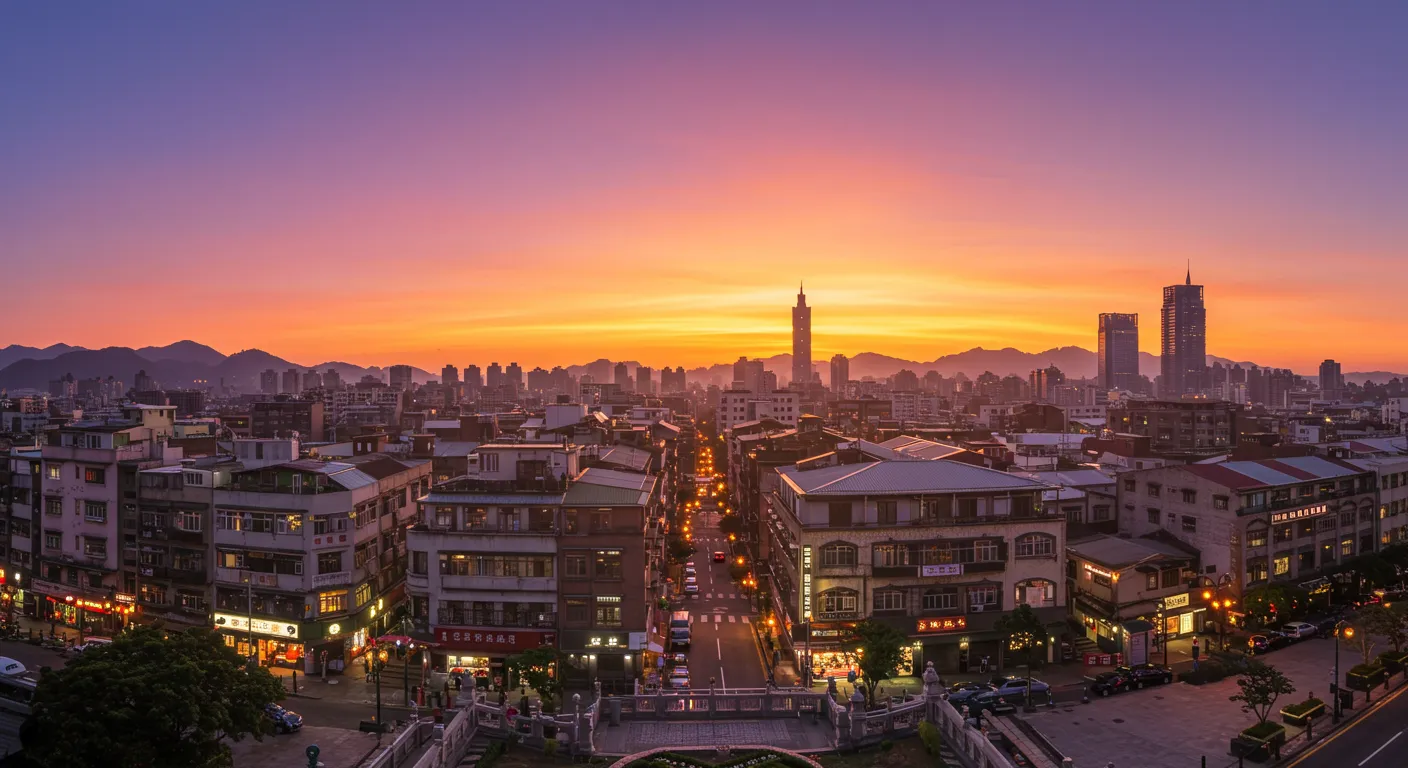
AI-generated hero image: Taiwan at golden hour

Photo by AI-Generated (Google Imagen)

Plan & Navigate

Quick Facts & Essentials

💰

Money & Costs

Currency: New Taiwan Dollar (TWD, symbol NT$ or $). Roughly NT$32 = US$1 / NT$35 = EUR1 [ASSUMPTION: rates fluctuate, check before travel]

Cash still rules for night markets, small eateries, temples, and taxis outside cities. Cards work fine at hotels, malls, convenience stores, and chain restaurants. ATMs are everywhere — 7-Eleven, FamilyMart, and bank machines mostly accept foreign cards. No tipping culture; rounding up or leaving change is fine but not expected. Some restaurants add a 10% service charge.

Budget: budget: NT$1,200 (~US$38) / mid-range: NT$3,200 (~US$100) / luxury: NT$8,000+ (~US$250+) per day

🗣️

Language

Official: Mandarin Chinese is the official language, spoken nationwide. Taiwanese Hokkien (Taigi) is widely spoken, especially in the south and among older generations. Hakka and Indigenous languages are used in specific communities.

English proficiency is moderate — good in Taipei among younger people, hotels, and tourist sites; patchy elsewhere. Signage and metro systems are bilingual. A translation app and pointing go a long way. Locals are famously helpful even across the language gap.

Useful: Ni hao (Hello), Xie xie (Thank you), Duo shao qian (How much is it?), Bu yao (I don't want it / No thanks), Ce suo zai na li (Where is the toilet?)

🚗

Getting Around

Taiwan has one of Asia's best public transport networks. Get an EasyCard (悠遊卡) the moment you land — it works on metros, buses, trains, bike-share, and even convenience stores nationwide. The High Speed Rail connects the west coast fast; metros cover Taipei and Kaohsiung. Renting a scooter is the move for rural east coast and small towns, but only with the right license.

EasyCard: Rechargeable smart card for metro, buses, local trains, and YouBike. Buy at any metro station or convenience store and just tap. Single most useful purchase for any traveller. — NT$100 deposit + load as needed

High Speed Rail (THSR): Connects Taipei to Kaohsiung in ~2 hours along the west coast. Book ahead online for early-bird discounts. The way to cover long distances quickly. — NT$700–1,500 per major leg

Metro (MRT): Clean, punctual, bilingual systems in Taipei and Kaohsiung. Best way to get around the cities — fast and cheap. — NT$20–65 per ride

YouBike: City-wide bike-share, linked to EasyCard. Great for short hops and waterfront riding. First 30 min often very cheap. — NT$10–20 per 30 min

Scooter rental: Essential for the rural east coast (Hualien, Taitung) and small towns. Requires an International Driving Permit plus your home motorcycle license — enforcement varies. [ASSUMPTION: some shops rent without checking, but you risk insurance and legal issues] — NT$400–600 per day

Taxi / ride-hail: Metered yellow taxis are plentiful and cheap. Uber operates in major cities. Useful late at night or for luggage. — NT$85 base, ~NT$25/km

⚠️ Safety Note: Taiwan is one of the safest places in Asia — violent crime is rare and solo night walks are generally fine. Real risks are natural: typhoon season (roughly May–November) can shut down trails, ferries, and flights, so build in buffer days. Earthquakes happen; know your hotel's exits. Mountain hikes in places like Taroko require permits and can close after quakes or landslides. Traffic is the biggest daily hazard — scooters swarm and don't always yield, so be cautious crossing. Tap water is technically safe but most locals boil or filter it.

Getting There

Almost every international visitor flies into Taoyuan International Airport (TPE) near Taipei, the country's main gateway; a few arrive at Kaohsiung in the south. Once in Taiwan, the High Speed Rail (HSR) connects the entire west coast — Taipei to Kaohsiung takes under 2 hours — making domestic flights largely unnecessary. There are no land borders, so the only alternatives to flying are limited ferries from mainland China and offshore islands.

✈️ By Air

Taiwan Taoyuan International Airport (TPE)📍 40 km from Taipei city centre
Taoyuan Airport MRT to Taipei Main Station — 38 min express, NT$160 (~US$5)Taxi — 40–55 min, NT$1,000–1,400 (~US$32–45)Kuo-Kuang / airport bus to central Taipei — 55–70 min, NT$140 (~US$4.50)
Taipei Songshan Airport (TSA)📍 6 km from Taipei city centre
Taipei Metro (Wenhu Line) — 15–20 min to city centre, NT$25 (~US$0.80)Taxi — 15 min, NT$200–300 (~US$7–10)
Kaohsiung International Airport (KHH)📍 9 km from Kaohsiung city centre
Kaohsiung MRT Red Line — 15 min to central Kaohsiung, NT$35 (~US$1.10)Taxi — 20 min, NT$300–400 (~US$10–13)

TPE handles the vast majority of long-haul flights with strong connections across Asia, North America, and Europe. Songshan (TSA) mostly serves domestic flights plus a few short-haul routes to Tokyo Haneda, Seoul Gimpo, and some mainland China cities. Low-cost carriers like Tigerair Taiwan, Scoot, and Peach serve TPE and KHH from regional Asian hubs.

🚆 By Train

Taipei Main Station (HSR & TRA)Taiwan High Speed Rail runs the west coast: Taipei to Taichung ~50 min, Taipei to Tainan ~1h45, Taipei to Kaohsiung (Zuoying) ~1h45–2h. The conventional TRA railway also loops the island, including the scenic east coast to Hualien and Taitung.

Buy HSR tickets via the THSR app or at station machines; early-bird discounts (up to 35% off) reward booking days ahead. Reserved seats recommended on weekends and holidays. TRA east-coast trains to Hualien/Taroko sell out fast — book early.

For west-coast travel the HSR is faster, cheaper, and far more convenient than flying once you factor in airport time. Strongly recommended over domestic flights.

🚗 By Car

From Connects Taipei, Taichung, Tainan, Kaohsiung~4–5h Taipei to Kaohsiung depending on traffic

Electronic eTag tolling (no toll booths); rental cars are pre-fitted. Heavy congestion around Taipei and on holiday weekends.

From Taipei to Hualien (east coast)~2.5–3h to Hualien

Scenic but winding; the Hsuehshan Tunnel on Freeway 5 backs up badly on weekends. Mountain sections can close after typhoons or landslides.

City-centre parking is scarce and metered; rates run NT$30–60/hour in Taipei. Most visitors skip renting a car for cities and use the MRT/HSR — a car only makes sense for rural areas like Taroko, Alishan, or the east coast. [ASSUMPTION] International Driving Permit required alongside your home licence.

⛴️ By Sea

Keelung PortMain cruise terminal for northern Taiwan; international cruise calls and seasonal sailings.

Primarily cruise traffic rather than scheduled passenger ferries. [ASSUMPTION] Limited scheduled international service.

Kinmen / Matsu (offshore islands)Small 'Mini Three Links' ferries connect Kinmen and Matsu to Xiamen and Fuzhou on mainland China.

These cross-strait ferries are subject to political conditions and can be suspended; check current status and book ahead. Crossing to Xiamen is roughly 30–60 min.

🛂 Visa & Entry Requirements

US, UK, and EU passport holders enjoy visa-free entry to Taiwan for 90 days for tourism — no fee, just a passport valid for the duration of stay and proof of onward travel. No visa or eVisa is required for these nationalities for short stays. Overstaying carries fines and bans, so respect the 90-day limit. Entry rules and any health or arrival-card requirements change periodically — verify on the Bureau of Consular Affairs website before flying.

💡 Arrival Tips

  • Buy an EasyCard at the airport MRT counter or convenience store — it works on metros, buses, and HSR feeder lines, and in every 7-Eleven and FamilyMart nationwide.
  • Skip airport currency desks for big amounts; Taiwan's bank ATMs (look for those accepting international cards at the airport) give better rates, and 7-Eleven ATMs are everywhere.
  • Take the Taoyuan Airport MRT express, not the commuter line — both share the platform but the express (purple) reaches Taipei Main in 38 min vs over an hour.
  • Grab a local SIM or eSIM at the arrivals telecom booths (Chunghwa, Taiwan Mobile) — unlimited-data tourist plans are cheap and far easier than hunting for one in the city.
  • Don't book a separate domestic flight Taipei–Kaohsiung; the HSR is faster door-to-door and the ticket counter is right inside Taipei Main Station.
  • Most arrivals underestimate weekend HSR demand — reserve seats for Friday and Sunday travel or you may stand the whole way.

Safety & Accessibility

🛡️ General Safety

Taiwan is one of the safest countries in Asia for travelers, with very low rates of violent crime and a strong culture of returning lost property. Taipei, Tainan, Kaohsiung, and the major cities are safe to walk at night, including for solo female travelers. The most genuine risks are not crime but natural hazards: typhoons (May–November), earthquakes, and aggressive traffic. Petty theft exists but is rare; bag-snatching is occasionally reported in crowded night markets and at busy transit hubs, but pickpocketing is far less common than in Europe.

⚠️ Common Risks

MEDIUM
Scooter and traffic danger — Taiwan has dense scooter traffic that turns across crosswalks even on green pedestrian signals, and right-turning vehicles frequently ignore pedestrians

Never assume a green light means safe; watch for scooters threading gaps, make eye contact with drivers, and stay alert at every crossing even in marked zones

MEDIUM
Typhoons and flooding (peak July–September) can shut transit, close mountain roads, and trigger landslides on routes like the Suhua Highway and Taroko Gorge

Check Central Weather Administration forecasts, avoid mountain and east-coast travel during typhoon warnings, and keep flexible plans during the season

LOW
Earthquakes — Taiwan sits on an active fault zone and experiences frequent tremors; the Hualien/east coast region is most seismically active

Note exits in hotels, drop-cover-hold during shaking, and stay away from older unreinforced buildings; the public alert system sends phone warnings in Chinese and English

LOW
Heat, humidity, and strong UV in summer, plus mountain altitude on hikes like Hehuanshan and Yushan

Hydrate aggressively, use sun protection, and acclimatize for high-altitude hikes; Yushan requires a permit and proper preparation

LOW
Slippery conditions in mountain areas and gorge trails, especially after rain in Taroko Gorge and Alishan

Wear grippy footwear, check for trail closures (Taroko has had major closures after the 2024 earthquake), and respect barriers

🆘 Emergency Numbers

Police110English-speaking operators not guaranteed; the 24-hour Tourist Hotline 0800-011-765 offers English assistance
Ambulance119Also handles fire; English support is limited, so have your location written in Chinese if possible
Fire119Combined fire and ambulance dispatch
Tourist Hotline0800-011-76524/7 multilingual travel assistance including English, Japanese, and Korean

🏥 Healthcare Access

Taiwan has excellent, modern healthcare with both large public hospitals (e.g. National Taiwan University Hospital, Taipei Veterans General) and private clinics. Care is high-quality and relatively affordable by Western standards, and major hospitals in Taipei, Taichung, and Kaohsiung have English-speaking staff. Visitors pay out of pocket without insurance, but costs are far lower than in the US — a clinic visit is typically modest. Travel insurance is recommended mainly for hospitalization, evacuation from remote areas, or adventure activities. Tap water is technically treated but most locals and travelers drink boiled or bottled water; no special vaccinations are required for standard travel.

♿ Accessibility

Taiwan is among the more accessible destinations in Asia, particularly Taipei. The Taipei Metro (MRT) is fully step-free with elevators, tactile paving, and accessible restrooms at every station, and modern public buildings comply with accessibility standards. However, older neighborhoods, night markets, and many historic temples have narrow lanes, uneven pavement, and steps. Sidewalks are inconsistent — often blocked by parked scooters or with abrupt curbs — so street-level navigation can be the biggest challenge. Mountain and gorge attractions are largely not wheelchair-accessible due to terrain.

Step-Free Routes
  • Taipei MRT stations and connecting underground passages, all elevator-equipped
  • Taipei riverside parks and bike paths (e.g. Dadaocheng to Guandu) with paved flat routes
Accessible Transit
  • Taipei Metro (MRT) — fully step-free with elevators and platform gap measures
  • High Speed Rail (HSR) — accessible carriages and station elevators; wheelchair seating bookable in advance [ASSUMPTION: book ahead]
Accessible Attractions
  • National Palace Museum — elevators, ramps, wheelchair loans available
  • Taipei 101 — accessible observation deck via elevator, accessible restrooms
Sensory Considerations

Night markets like Shilin and Raohe are intense sensory environments — loud, crowded, brightly lit, with strong food smells including stinky tofu that some find overwhelming. Temples burn incense and ring bells, and busy MRT interchanges (Taipei Main Station) can be disorienting at rush hour. Quieter alternatives include museums, teahouses, and the Beitou or Daan Park areas. Museum lighting is generally moderate; the National Palace Museum can be crowded with tour groups at peak times.

Travel Insurance

Comprehensive travel insurance is recommended but not as financially critical as in high-cost countries — Taiwan's healthcare is affordable. Prioritize coverage for medical evacuation if you plan to hike Yushan, Taroko, or remote east-coast areas, and for trip disruption during typhoon season when flights and transit can be canceled. Confirm your policy covers earthquake-related disruption, which is a realistic possibility here.

When to Go

Januarymoderate crowds

Cool and damp in the north, mild and sunny in the south. A great month to base yourself in Tainan or Kaohsiung and skip the Taipei drizzle. Hot springs season is in full swing.

🌤 North 20°C/14°C with drizzle; south 26°C/18°C, dry and sunny.

Best for: solo travellers · photographers · couples
Season: Northern Drizzle Months

Bottom Line: October and November are the clear winners: typhoon risk has faded, humidity drops, and skies turn crisp for both city walking and mountain photography. March and April rival them for blossom season and mild hiking weather, though crowds and showers creep in. Avoid May–September unless you specifically want beaches or cooler highlands.

Where to Stay

Taiwan offers some of Asia's best accommodation value, especially in mid-range hotels and hostels where cleanliness and service punch well above price. Taipei anchors the luxury and design-hotel scene, while hot-spring towns and rural homestays (minsu) deliver experiences you can't get in a generic chain. Booking gotcha: weekends and Lunar New Year spike prices hard, and the best minsu near Sun Moon Lake or Alishan sell out weeks ahead.

Luxury

Mandarin Oriental TaipeiHotel

Taipei's grandest five-star with a vast spa, excellent breakfast, and large rooms by Asian standards. Best for travellers who want polished service and a quiet base near Dunhua's leafy avenues. Worth it for a splurge night, not a full trip.

💰 $380–$650 per night📍 Songshan, Taipei
Book 3–4 weeks ahead for weekends. Direct booking often includes breakfast and spa credit; rates climb sharply around Lunar New Year.
Kimpton Da AnBoutique Hotel

Stylish, design-forward IHG boutique with a great rooftop bar and a walkable foodie location near Da'an Forest Park. Suits design-conscious travellers who want luxury feel without Mandarin pricing. Strong value for the tier.

💰 $220–$340 per night📍 Da'an, Taipei
Book 2–3 weeks ahead. IHG members get better flexible rates; weekend nights cost more.

Mid-Range

Hotel Proverbs TaipeiBoutique Hotel

Moody, jewel-toned interiors, a small rooftop pool, and a buzzy bar downstairs. Best for couples who want atmosphere and a great photo backdrop without going full luxury.

💰 $130–$200 per night📍 Da'an, Taipei
Book 2 weeks out for weekends. OTA and direct rates are similar; check for breakfast-included packages.
CHECK inn TaichungHotel

Clean, modern, design-aware chain that's a reliable mid-range base for exploring central Taiwan and day trips to Sun Moon Lake. Suits travellers who value consistency and value over character.

💰 $60–$95 per night📍 West District, Taichung
Bookable 1–2 weeks ahead even on weekends. Direct site and Agoda both competitive in Taiwan.

Budget

Star Hostel Taipei Main StationHostel

Consistently rated one of Asia's best hostels: plant-filled common areas, spotless dorms, and free breakfast. Near Taipei Main Station, so ideal for solo travellers and those taking the HSR onward.

💰 $22–$40 per night📍 Datong, Taipei
Book 2–3 weeks ahead in high season — beds sell out fast. Direct booking via their site is reliable.
Meander Taipei HostelHostel

Bright, social hostel with a lively bar and frequent events, good for travellers who want to meet people. Trade-off: it's noisier than Star Hostel, so light sleepers should grab a private room.

💰 $20–$38 per night📍 Zhongzheng, Taipei
Book 1–2 weeks ahead; weekends fill first. Hostelworld and direct both work.

Unique Stays

Fleur de Chine Hotel, Sun Moon LakeResort

Lakeside resort with in-room hot-spring baths and balconies facing the water — wake up to mist over the lake. The experience here is the setting, not just the room; best for a 1–2 night romantic or scenic splurge.

💰 $250–$420 per night📍 Sun Moon Lake, Nantou
Book 3–4 weeks ahead, much earlier for holidays and cherry-blossom season. Direct often bundles breakfast and dinner. [ASSUMPTION] Weekend rates run notably higher.
Alishan Minsu Guesthouse (Fenqihu area)Guesthouse

Family-run mountain homestays put you in position for the famous Alishan sea-of-clouds sunrise without a brutal pre-dawn drive. Suits hikers and photographers; expect simple rooms and warm, home-cooked breakfasts.

💰 $70–$130 per night📍 Alishan, Chiayi
Book 2–4 weeks ahead — limited rooms sell out. Many list only on local sites or via phone; [ASSUMPTION] email or a Taiwanese booking platform may be needed.

Booking Tips

Book 2–3 weeks ahead for Taipei and a full month for hot-spring towns, Alishan, and Sun Moon Lake, especially around weekends and any holiday. Agoda and Booking.com dominate Taiwan and often beat direct rates, but rural minsu frequently appear only on local platforms or require a phone or email reservation. Prices swing sharply by day of week — shift your stay to weekdays to save meaningfully. The thing most visitors get wrong: assuming everything is bookable last-minute; Lunar New Year, the cherry-blossom window, and long weekends sell out the best places far in advance.

What to Experience

★★★★ Taipei 101

historical landmarkviewpoint

The iconic bamboo-shaped tower that defined Taipei's skyline and was once the world's tallest building. The observatory is solid but pricey; the real value is the view of 101 itself from elsewhere. Worth seeing, slightly overrated as a paid experience.

🕐 Best Time: Blue hour, ~30 min after sunset, when interior lights glow against deep blue sky.

💡 Insider Tip: Skip the observatory ticket and shoot the tower from Elephant Mountain (Xiangshan) trail instead — better composition and you get the whole skyline.

💰 Fees: Observatory NT$600; tower exterior Free

🎟️ Booking: Book online to skip queues

★★★★★ Elephant Mountain (Xiangshan)

viewpointfree admission

Short but steep stair climb delivering the postcard view of Taipei 101 and the city skyline. The best free vantage point in Taipei and a must for photographers. Gets crowded at sunset, so position early.

🕐 Best Time: Arrive 60–90 min before sunset to claim a spot and shoot golden hour through blue hour.

💡 Insider Tip: Climb past the first crowded platform to the giant boulders ('Six Giant Rocks') — fewer people and you can stand on the rocks for a cleaner foreground.

💰 Fees: Free

🎟️ Booking: None

★★★★ National Palace Museum

museumcultural landmark

Home to the world's largest collection of Chinese imperial art and artifacts, much of it moved from Beijing. Genuinely world-class but overwhelming — don't try to see everything. The famous Jadeite Cabbage often has a long line for a small object.

🕐 Best Time: Opening at 9am on a weekday to beat tour groups arriving mid-morning.

💡 Insider Tip: Photography is restricted in many galleries; focus on experiencing rather than shooting. Visit on weekday mornings and use the audio guide to hit highlights in 2 hours.

💰 Fees: NT$350

🎟️ Booking: Book online to save time

★★★★ Jiufen Old Street

cultural landmarkhistorical place

A former gold-mining town with lantern-lit alleys and teahouses, often credited as inspiration for Spirited Away (the studio denies this). Atmospheric and worth it, but punishingly crowded on weekends and increasingly touristy. Go for the mood, not the snacks.

🕐 Best Time: Weekday evening at dusk for lantern light without weekend crushes.

💡 Insider Tip: Stay until after the day-trippers leave (post 6pm) when the red lanterns glow and the A-Mei Teahouse exterior lights up — the classic shot needs the lanterns lit.

💰 Fees: Free (teahouses extra)

🎟️ Booking: None

★★★★★ Taroko Gorge

national parknatural wonder

A dramatic marble canyon with turquoise rivers, tunnels, and sheer cliffs in eastern Taiwan — arguably the country's greatest natural wonder. [ASSUMPTION] Note that earthquake damage has periodically closed trails and roads, so check current access before committing a day. When open, it's unmissable.

🕐 Best Time: Early morning for soft light in the canyon and to beat tour buses from Hualien.

💡 Insider Tip: Bring a hardhat (loaned at park HQ) for the Shakadang and Swallow Grotto trails. Rivers photograph best with a polarizer to cut glare and reveal the blue water.

💰 Fees: Free (some trails need permits)

🎟️ Booking: Check trail status; some require permits

★★★☆☆ Sun Moon Lake

viewpointnatural wonder

Taiwan's largest lake, ringed by mountains and dotted with temples, popular for cycling and boat rides. Scenic and relaxing but somewhat overrated given the travel time and tour-bus volume — beautiful in mist, ordinary in flat midday light.

🕐 Best Time: Sunrise when mist sits on the water — the single best photographic window here.

💡 Insider Tip: Rent a bike and ride the lakeside path early; the Xiangshan Visitor Center deck and Ci'en Pagoda offer the cleanest elevated lake views away from crowds.

💰 Fees: Free (boat/bike rentals extra)

🎟️ Booking: None

★★★☆☆ Houtong Cat Village

hidden gemfamily friendly

A former coal-mining town reborn as a cat sanctuary along the Pingxi rail line, with dozens of resident cats and old industrial relics. Quirky and genuinely charming, and most international visitors skip it. A fun, low-key half-day if you like animals or moody railway scenes.

🕐 Best Time: Morning on a weekday for active cats and fewer visitors.

💡 Insider Tip: Combine it with the Pingxi line for sky lanterns. Shoot the cats at the old railway bridge in the morning when they're active and lighting is soft.

💰 Fees: Free (train fare to reach)

🎟️ Booking: None

★★★★ Qingshui Cliffs

viewpointnatural wonder

Towering coastal cliffs plunging into the Pacific along the eastern shore near Taroko, often overlooked because people rush past on the way elsewhere. The contrast of green cliff, blue ocean, and white surf is one of Taiwan's most striking coastal scenes.

🕐 Best Time: Mid-morning when sun lights the cliff face and the ocean turns vivid blue.

💡 Insider Tip: Stop at the Chongde or Huide rest areas for the classic overlook. A drone [ASSUMPTION: check current flight regulations] or wide lens captures the curve of the coast best.

💰 Fees: Free

🎟️ Booking: None

Day Trips from Taiwan

⏱️ Time: Half day

Highlights: Lantern-lined hillside lanes, red-lit teahouses stacked above the sea, and that famous A-Mei Teahouse facade. Blue hour here is the shot — lanterns ignite against fading sky. Pair with Jinguashi gold mine ruins nearby.

Brutally crowded on weekends and holidays — go on a weekday morning or stay through dusk after day-trippers leave. Frequent coastal fog and rain even when Taipei is clear. Suits photographers and first-timers.

⏱️ Time: Full day

Highlights: Marble-walled canyon with the Shakadang and Swallow Grotto trails, turquoise river water, and dramatic tunnel-and-cliff roads. One of Taiwan's genuine natural wonders — not overrated.

Earthquakes and typhoons frequently close trails and roads — check official park status before committing. [ASSUMPTION] Some sections remain affected by recent seismic damage; verify current access. Book Hualien train tickets well ahead. Helmets sometimes required for rockfall zones.

⏱️ Time: Full day

Highlights: Taiwan's oldest city — Anping Fort, the tree-swallowed Anping Tree House, Confucius Temple, and the densest street-food scene in the country. Beef soup, danzai noodles, coffin bread.

HSR makes it a doable full day but it's a long one — consider an overnight. Best in cooler months; summer is hot and humid. Suits food lovers and culture seekers. The Tree House is a standout PHOTO spot with natural light filtering through banyan roots.

⏱️ Time: Half day

Highlights: Otherworldly hoodoo rock formations sculpted by erosion — the Queen's Head is the icon. Coastal, compact, and easily combined with Jiufen on the same north-coast loop.

Arrive at opening to shoot the Queen's Head without a tour-bus queue around it. No shade — bring sun protection. Slippery rocks near the water at high tide. Boardwalk paths keep it accessible.

⏱️ Time: Full day

Highlights: Taiwan's largest lake ringed by mountains, with a flat cycling path rated among the world's scenic rides, lakeside temples, and a gondola to an Aboriginal culture village.

Long transfer chain makes it tight as a Taipei day trip — better as an overnight or from Taichung. Misty mornings give the best moody water reflections. Suits cyclists and families. Off-season weekdays are calm.

⏱️ Time: Half day

Highlights: A nostalgic single-track railway through old mining towns. Release a sky lantern at Shifen, where the track runs right between the shops, then walk to the broad 'Little Niagara' Shifen Waterfall.

Buy the Pingxi day pass for unlimited hops. Trains run infrequently — check the timetable so you don't get stranded. Lanterns are touristy and leave litter, but the train-through-town shot is genuinely worth it. Suits families and casual shooters.

⏱️ Time: Half day

Highlights: The closest hot-spring escape to Taipei, set in a forested river valley with a waterfall, a small mountain railway, and Atayal Indigenous food and culture.

Closest of these trips and easy on a half day, but lower priority — quieter draw than the icons above. Free public riverside soaking spots exist alongside paid resorts. Avoid after heavy rain due to landslide risk. Best in autumn and winter.

Scenic Routes

Taroko Gorge Road (Central Cross-Island Highway section)

📏 19km / 1hr drive (more with stops)

  • Marble cliffs plunging into the Liwu River, genuinely jaw-dropping at scale
  • Swallow Grotto (Yanzikou) walkway hugging sheer rock walls
  • Eternal Spring Shrine cascading over the gorge, a classic frame

Provincial Highway 11 (East Coast Drive)

📏 175km / 4–5hr drive

  • Pacific coastline with almost no development, pull over almost anywhere
  • Sanxiantai's arched bridge over volcanic islets, a SUNRISE staple
  • Shimen and Jici beach viewpoints for long-exposure surf shots

Alishan Forest Railway & Sunrise Walk

📏 Short rail ride plus 1–2km walk

  • Sea of clouds at sunrise over the Yushan range, the reason people come
  • Giant ancient cypress trees along easy boardwalk loops
  • Vintage narrow-gauge railway through the mist for a strong foreground

Jiufen Old Street & Hillside Walk

📏 2km / 1.5hr walk

  • Red-lantern teahouse alleys at blue hour, the postcard shot
  • Hillside views over Keelung harbor between the buildings
  • Honestly overrated midday when packed shoulder-to-shoulder, go late afternoon into night

Sun Moon Lake Cycle Path

📏 30km full loop / 3hr (Xiangshan section ~6km flat)

  • Lakeside boardwalk rated among the world's prettiest bike paths
  • Misty morning reflections of the surrounding mountains
  • Ci'en Pagoda and lakeside temples as elevated viewpoints

Yangmingshan Qingtiangang Grassland Trail

📏 5km / 2hr hike

  • Rolling volcanic grassland with grazing water buffalo near Taipei
  • Silver grass turning golden in autumn for warm-toned frames
  • Steaming sulphur vents at nearby Xiaoyoukeng for a moody scene

Street Art in Taiwan

Taiwan's street art scene is decentralized and surprisingly deep, spread across cities and small towns rather than concentrated in one mural district. Taipei has the most contemporary, gallery-adjacent work, while regional spots like Tainan and the so-called 'painted villages' lean into folk-style and nostalgia murals. The scene blends international graffiti influences with distinctly Taiwanese elements: temple iconography, retro Taiwanese pop culture, and aboriginal motifs. It's accessible, photogenic, and largely tourist-friendly.

🗺️ Route: A national scene rather than a single walkable route. The most efficient single-city base is Taipei (start Ximending, end Bopiliao via MRT). Roughly 3–4 km of walking across clustered areas, half a day. Highly transit-friendly via MRT. Best time is mid-morning or late afternoon golden hour to avoid harsh midday glare on glossy walls.

★★★★★ Ximending

SanctionedPHOTOTRANSIT-FRIENDLYGOLDEN HOURICONIC

Taipei's youth and pedestrian district, dense with commissioned murals, graffiti walls, and constantly rotating work in back alleys. The Ximen 'graffiti zone' near the cinema park is a legal practice wall with genuinely fresh pieces.

🎨 Artists: Mix of local crews and visiting writers; mostly Unknown / unsigned

📍 Location: Ximen MRT Exit 6, around Cinema Park, Wuchang Street area, Wanhua District, Taipei

🕐 Best time: Late afternoon golden hour; alleys are shaded earlier

★★★★ Bopiliao Historic Block

CommissionedPHOTOTRANSIT-FRIENDLYRAINY DAY

Restored Qing-era street where heritage architecture meets contemporary murals and installations. Strong textures, brick, and frequent rotating art exhibitions. Excellent for character portraits and architectural framing.

🎨 Artists: Rotating exhibition artists; varies [ASSUMPTION]

📍 Location: Guangzhou Street, near Longshan Temple MRT, Wanhua District, Taipei

🕐 Best time: Morning for soft light in the alleys

★★★★ Shennong Street and surrounding alleys, Tainan

UnknownPHOTOHIDDEN GEMBLUE HOURNIGHT SHOOT

Tainan, Taiwan's old capital, hides murals among lantern-lit lanes, old shophouses, and temple walls. The art here skews folk and atmospheric rather than aggressive graffiti, pairing beautifully with the historic streetscape.

🎨 Artists: Local Tainan artists; largely Unknown

📍 Location: Shennong Street, West Central District, Tainan

🕐 Best time: Blue hour, when lanterns and murals both read well

★★★☆☆ Rainbow Village (Caihongjuan), Taichung

SanctionedPHOTOCROWD WARNINGFAMILYICONIC

A former military dependents' village painted entirely by one elderly veteran, Huang Yung-fu, in vivid folk-naive style. It's genuinely charming but heavily commercialized and small. Honestly overrated for the crowds, but the color saturation is unmatched.

🎨 Artists: Huang Yung-fu (the Rainbow Grandpa)

📍 Location: Chunan Road, Nantun District, Taichung

🕐 Best time: Opening time to beat tour buses; overcast helps even exposure

★★★☆☆ Daxi and regional painted villages

CommissionedHIDDEN GEMPHOTOBUDGET

Smaller towns feature themed mural alleys, often nostalgia-driven or anime/3D-trompe-l'oeil style aimed at domestic tourism. Quality varies widely but some yield strong, uncrowded frames.

🎨 Artists: Community and commissioned artists; Unknown [ASSUMPTION]

📍 Location: Old Street districts, Daxi, Taoyuan and similar regional towns

🕐 Best time: Midday acceptable in shaded alleys; otherwise golden hour

💎 Hidden Gems

Skip the Instagram-famous spots and walk the back alleys of Tainan's West Central District at blue hour, where unsigned murals sit beside working temples and night-market spillover. In Taipei, the lesser-known walls around Treasure Hill artist village (Gongguan area) reward slow exploration far more than Ximending's tourist core. Smaller riverside and fishing-town murals along the east coast and in Kaohsiung's Pier-2 Art Center district are also underrated for clean, crowd-free frames.

📋 Practical Notes

Taiwan is very safe for solo and night shooting, including in alleys. Etiquette: many mural spots are residential or temple-adjacent, so keep noise down and avoid blocking doorways. Sanctioned practice walls rotate quickly (weeks), while commissioned/heritage murals are stable for years. Guided street-art walks are limited and mostly informal; most travelers self-guide using MRT and walking. Bring a wide and a fast standard lens; many alleys are tight and dim.

Cultural Significance

Taiwan is a crossroads where Austronesian Indigenous roots, centuries of Han Chinese migration, 50 years of Japanese colonial rule, and postwar democratic reinvention layer into a singular identity. What resonates is its embrace of plurality — temples, night markets, betel-nut stands, and contemporary art biennials coexist without contradiction, and the island wears its hard-won democracy and free expression with quiet pride.

Indigenous Austronesian HeritageSeveral thousand years to present

Taiwan is widely considered the linguistic homeland of the entire Austronesian family — the ancestral launch point for peoples spread from Madagascar to Hawaii to New Zealand. Sixteen officially recognized Indigenous groups maintain distinct languages, weaving, and ritual traditions that predate Han settlement by millennia.

Visit Hualien and Taitung on the east coast where Amis, Bunun, and Paiwan communities are concentrated. The Amis Harvest Festival (Ilisin) runs in summer; respect that some ceremonies are not for spectators. Indigenous-run eateries and craft cooperatives welcome visitors.
Temple Culture and Folk Religion17th century to present

Taiwanese folk religion blends Taoism, Buddhism, and Confucianism with deeply local deity worship. Mazu, goddess of the sea, is the island's most beloved figure — her annual pilgrimage is one of the world's largest religious processions, drawing millions.

The Dajia Mazu Pilgrimage (around March/April, dates set by lunar calendar) covers nine days on foot through central Taiwan. Longshan Temple in Taipei is the easiest year-round introduction. Watch for spirit-medium and lantern festival events.
Night Market Food Culture20th century to present

Night markets (yeshi) are Taiwan's living public square — democratic, affordable, and central to daily social life rather than tourist spectacle. Dishes like stinky tofu, oyster omelets, bubble tea (invented in Taiwan in the 1980s), and beef noodle soup express the island's mixed heritage.

Shilin and Raohe in Taipei are famous, but every city has its own. Go hungry, carry cash, and order what has the longest local queue. Bubble tea originated here — sampling it at its source is a legitimate cultural pilgrimage.
Japanese Colonial Legacy1895–1945, legacy ongoing

Fifty years of Japanese rule (1895–1945) shaped Taiwan's infrastructure, architecture, education, and even cuisine. Unlike much of Asia, Taiwan retains a notably ambivalent-to-warm memory of this era, visible in railways, hot-spring towns, and a lasting affection for things Japanese.

Explore Japanese-era architecture in Taipei's old quarters, the hot-spring resort of Beitou, and Hinoki Village in Chiayi. Many preserved wooden buildings now house cafes and bookshops.
Mandopop and a Free Music Scene1990s to present

Taipei became the creative capital of the Mandarin-language pop world, exporting artists like Jay Chou and A-mei across the Chinese-speaking diaspora. Its free-speech environment also nurtures indie, Indigenous-language, and politically frank music that cannot circulate freely elsewhere in the region.

Catch live shows at Legacy Taipei or smaller venues in the Ximending district. The Golden Melody Awards each summer are the Mandarin music world's equivalent of the Grammys. Look for Indigenous artists like the late Difang and contemporary acts reviving native languages.
Democracy and LGBTQ+ Progressivism1987 to present

Taiwan transformed from martial law (lifted 1987) into one of Asia's most open democracies, and in 2019 became the first place in Asia to legalize same-sex marriage. This hard-won openness is a core part of contemporary Taiwanese identity and civic pride.

Taipei Pride in late October is the largest in Asia and welcoming to visitors. Sites like the National 228 Memorial Museum contextualize the authoritarian past and the road to democracy.
Tea Culture and Gongfu Tradition19th century to present

Taiwan's high-mountain oolongs are world-renowned, and the ritual of gongfu tea brewing is both a daily comfort and a refined art. The cool, misty central highlands produce some of the planet's most prized teas.

Visit Maokong (reachable by gondola from Taipei) for hillside teahouses, or tea estates around Alishan and Lugu. Many teahouses will guide you through a proper multi-steep tasting.

Living Culture

Taiwan's contemporary culture is loud, plural, and unafraid. Taipei anchors a thriving visual arts and design scene — the Taipei Fine Arts Museum and the Taipei Biennial bring global contemporary art, while creative parks like Songshan and Huashan 1914 (former industrial sites) host independent design, film, and craft. The island's free press and publishing industry make it a refuge for Sinophone literature and bookstores; Eslite became a cultural institution by treating bookshops as 24-hour social spaces. Film matters here too — Taiwan New Cinema directors like Hou Hsiao-hsien, Edward Yang, and Ang Lee gave the island global cinematic weight, and that legacy continues in festivals and arthouse venues.

Visitor Respect

At temples, dress modestly and step over (never on) the raised door thresholds; observe whether others are photographing before you do, and avoid pointing your feet or camera disrespectfully at altars and deity statues. Don't touch offerings or interrupt people praying or consulting fortune sticks. During the Mazu pilgrimage and Indigenous ceremonies, ask before photographing individuals, and accept that some rituals are private. Tipping is not customary and can confuse. Remove shoes when entering homes and some traditional guesthouses. On the political front, Taiwanese identity is a sensitive subject — let locals lead any conversation about cross-strait relations rather than asserting assumptions. [ASSUMPTION] Pointing chopsticks upright in rice (resembling funeral incense) is considered unlucky, as in much of the region.

Eat & Drink

Taiwan packs an outsized food culture into a small island. Waves of Hokkien, Hakka, Japanese colonial, and post-1949 mainland Chinese influence layer over Indigenous and local ingredients, producing everything from delicate Hangzhou-style banquets to night-market street snacks. The night market is the heart of it: beef noodle soup, oyster omelettes, stinky tofu, and bubble tea (invented here) are all standard, affordable, and excellent.

Coffee, Cafés & Bakeries

Fika Fika Cafe

Café

Specialty: Nordic-style light-roast pour-overs from a champion roaster

📍 Zhongshan, Taipei

Go mid-morning for seats. Strong natural light for flat-lay shots.

Simple Kaffa Flair

Café

Specialty: award-winning espresso from world barista champion Berg Wu

📍 Xinyi, Taipei

Inside a hotel; arrive early to avoid the line. Worth the hype.

Coffee Stopover

Café

Specialty: single-origin tasting flights, serious roastery

📍 West District, Taichung

Taichung's coffee anchor. Quieter weekday afternoons.

RUFOUS Coffee

Café

Specialty: classic dark-roast hand drip, old-school Taipei cafe

📍 Da'an, Taipei

Small and beloved. Cash only, no laptops vibe.

Wu Pao Chun Bakery

Bakery

Specialty: champion longan-lychee bread, wine-and-rose bread

📍 Xinyi, Taipei (also Kaohsiung)

Founder won the Bakery World Cup. Signature loaves sell out by afternoon.

85C Bakery Cafe

Bakery

Specialty: sea-salt coffee, taro buns, cheap reliable pastries

📍 nationwide chain

Not overrated for the price. Sea-salt coffee is the move.

Breakfast & Brunch

Yu's Almond Tofu / Pineapple Cake shops (Chia Te)

BakeryBreakfast

Specialty: pineapple cakes, egg yolk pastries

📍 Songshan, Taipei

Best pineapple cakes for gifts. Expect queues before holidays.

Lunch

★★★★★ Lin Dong Fang Beef Noodles

Specialty: braised beef noodle soup with bone marrow, beef tendon

📍 Zhongshan, Taipei (Bade Rd Sec 2)

Open very late. Tendon sells out; go before 8pm. Cash preferred, expect a queue.

★★★★ A-Cai Hai Chan Dian (Tainan)

Specialty: fish congee, milkfish soup, traditional Tainan breakfast

📍 West Central District, Tainan

Opens before dawn and closes when food runs out. Tainan eats early. Go hungry.

Minder Vegetarian (Hangzhou South branch)

Vegetarian

Specialty: all-you-can-eat plant-based buffet, mock meats

📍 Da'an, Taipei

Massive spread, great value. Arrive at opening to beat lunch rush.

Loving Hut

VegetarianVegan

Specialty: affordable vegan set meals, noodle soups

📍 multiple branches nationwide

Consistent and cheap. Useful fallback across the island.

Dinner

★★★★★ Din Tai Fung (Xinyi flagship)

Specialty: xiaolongbao soup dumplings, truffle dumplings, pork chop rice

📍 Xinyi, Taipei (near Taipei 101)

Original branch. Take a number and wait, or book online for larger groups. Watch the kitchen glass wall for the dumpling-pleating line.

★★★★ Yang Shin Vegetarian

Vegetarian

Specialty: refined Buddhist vegetarian dim sum and hot pot

📍 Da'an, Taipei

Upscale and reliable for plant-based diners. Reserve weekends.

★★★☆☆ Su Hang Restaurant

Vegan

Specialty: Hangzhou-style vegetarian and braised dishes, dongpo-style tofu

📍 Zhongzheng, Taipei

[ASSUMPTION] Confirm vegan items as some dishes use dairy. Good for groups.

Ooh Cha Cha

Vegan

Specialty: vegan bowls, smoothies, raw desserts

📍 Zhongzheng, Taipei

Western-leaning vegan menu, fully plant-based. Good for travellers needing a break from rice.

Budget Eating Strategy

Eat dinner at night markets: Raohe and Ningxia in Taipei, Liuhe in Kaohsiung. A full meal of three or four snacks costs under NT$200.

Use the EasyCard for convenience-store meals; 7-Eleven and FamilyMart tea eggs, onigiri, and hot food are cheap and surprisingly decent.

Look for vegetarian buffets sold by weight (zizhucan) near temples and offices — pile a plate for NT$60–100, no menu needed.

Shop

Taiwan rewards the curious shopper with a dense mix of teeming night markets, electronics arcades, indie design boutiques, and serious craft traditions like pottery and tea. If you love hunting for specific, locally-rooted goods over generic souvenirs, you'll do well here.

Markets

Jianguo Holiday Jade MarketMixed

Jade, semi-precious stones, freshwater pearls, beads, vintage trinkets, and carved seals. Bring a loupe if you know stones; plenty of glass and dyed quartz sits beside the real thing.

🕐 Sat–Sun roughly 9am–6pm📍 Daan District, Taipei (under the elevated expressway)
Shilin Night MarketNight

For non-food goods: cheap fashion, phone accessories, novelty socks, sneakers, and carnival-style games. It's more about atmosphere and people-watching than serious shopping.

🕐 Daily roughly 4pm–midnight📍 Shilin District, Taipei
Sanhe Night Market / WufenpuMixed

Wholesale-priced clothing in the warren of Wufenpu — this is where local boutique owners stock up. Best for bulk or repeat buys rather than single items.

🕐 Most shops daily roughly 11am–9pm (varies)📍 Wufenpu garment district near Houshanpi MRT, Taipei

Shopping Districts

Yingge Ceramics Old Street (New Taipei)

Taiwan's pottery and ceramics capital — a whole town of kilns, studios, and showrooms.

Hand-thrown teaware, celadon, woodfired pieces, and affordable everyday tableware. Look for studio potters' work over mass-produced gift shop ceramics. The Yingge Ceramics Museum nearby gives context.

Dihua Street (Dadaocheng), Taipei

Historic Qing-era trading street blending dried goods wholesalers with a wave of design boutiques in restored shophouses.

For non-food: fabric and textiles, Chinese herbs and dried botanicals for display, incense, traditional crafts, and contemporary Taiwanese design brands. Liveliest before Lunar New Year.

Guang Hua Digital Plaza & S3C corridor, Taipei

Multi-floor electronics mall plus surrounding gadget shops — Taiwan's tech-buying heartland.

Components, cables, niche peripherals, custom PC parts, and accessories at competitive prices. Since Taiwan makes much of this hardware, selection beats markup. Negotiate gently on bigger items.

What to Buy

Yingge ceramics and teaware

Taiwan has a living, high-quality ceramics tradition centered on Yingge, with prices far below comparable imported craft pottery.

📍 Yingge Old Street studios and showrooms; design shops on Dihua Street.💰 $8 for everyday cups up to $100+ for studio pieces
Loose-leaf high-mountain tea and teaware sets

Taiwan's oolongs (Alishan, Dong Ding) are world-class, and reputable tea houses sell single-origin lots with provenance.

📍 Established tea houses in Dadaocheng/Dihua Street; specialist shops over market stalls.💰 $15–$60 per 150g for good grades
Pineapple cake gift boxes (non-perishable gifts)

Iconic edible gift; quality bakeries use real winter-melon-free pineapple filling and proper butter pastry.

📍 Reputable bakery chains (e.g. SunnyHills, Chia Te) and Dihua Street shops.💰 $10–$25 per box
Indigenous and aboriginal crafts (weaving, beadwork, woodcarving)

Authentic Taiwanese indigenous craft is genuinely distinctive and buying direct supports the makers.

📍 [ASSUMPTION] Craft cooperatives in Hualien/Taitung regions and dedicated craft shops; verify maker provenance.💰 $15–$150 depending on piece
Stationery and Taiwanese design goods

Taiwan has a strong indie design and paper-goods scene — notebooks, washi-style tapes, and small homewares with real character.

📍 Boutiques in Dihua Street and design districts; concept stores like those around Eslite.💰 $3–$30
Electronics, components, and accessories

Taiwan manufactures a large share of global computer hardware, so selection and pricing on parts and peripherals are excellent.

📍 Guang Hua Digital Plaza and the surrounding S3C shops in Taipei.💰 $5 cables to $500+ components

Shopping Tips

Bargaining is expected at flea, jade, and antiques markets but rare in fixed-price boutiques, bakeries, and chain stores — don't haggle a tea house. Carry cash since many markets and small shops are card-shy, though convenience stores and malls take cards and mobile pay. Night markets run late afternoon to midnight daily, while jade and flower markets are weekend-only, so plan jade hunting for Saturday or Sunday. Most visitors miss day-tripping to Yingge for ceramics — it's a short train ride from Taipei and far better value than any souvenir shop in the city.

See Through the Lens

Taipei 101 from Elephant Mountain (Xiangshan)

Best: Blue hour 6:00-6:30pm Jun, 5:10-5:40pm Dec. Arrive 60-90 min before to claim a rock spot. Sunset behind you, city lights ahead.

Jiufen Old Street (A-Mei Teahouse & red lanterns)

Best: Blue hour 6:00-6:30pm Jun, 5:15-5:45pm Dec — lanterns lit but sky still has color. Weekday evenings far less crowded.

Taroko Gorge (Swallow Grotto / Yanzikou)

Best: Mid-morning 9:30-11:00am when light reaches the canyon floor — the deep gorge stays shadowed early and late. Overcast days give even, shootable light all day.

Alishan Sea of Clouds & Sunrise (Zhushan Observation Deck)

Best: Sunrise 5:10am Jun, 6:40am Dec at Zhushan deck. Take the dedicated sunrise train (departs ~30-90 min before sunrise, schedule shifts seasonally). Arrive 30 min early for position.

Qingjing High Mountain Pastures & Hehuanshan

Best: Golden hour: sunset 6:35pm Jun, 5:20pm Dec for warm light across the pastures. Night shoot after 8pm for Milky Way (best Apr-Sep, core visible).

Tainan Anping (Anping Tree House & old streets)

Best: Golden hour 5:30-6:30pm Jun, 4:40-5:20pm Dec for warm light through the roots. Morning 8-9am also works and avoids tour groups.

Shifen Waterfall & Sky Lanterns (Pingxi Line)

Best: Waterfall: midday 11am-1pm for even light on the wide cascade. Lanterns: dusk/blue hour 6:00-6:30pm Jun, 5:10-5:40pm Dec for the glow against darkening sky.

Sun Moon Lake (Xuanguang Temple pier & Ci'en Pagoda)

Best: Sunrise 5:15am Jun, 6:40am Dec for mist and still reflections. Wind picks up later, killing reflections. Golden hour from Ci'en Pagoda also strong at sunset.

Seasonal light in Taiwan swings hard with its subtropical climate and roughly 22-25°N latitude. Spring (Mar-May) brings frequent mist and softer light — magic for Jiufen, Sun Moon Lake, and mountain cloud seas, but plum-rain season in May can flood your schedule with grey. Summer (Jun-Aug) gives the earliest sunrises (around 5:10am) and latest sunsets (~6:35pm), but expect harsh midday haze, high humidity, and afternoon thunderstorms — shoot dawn and dusk, rest midday. Typhoon season (Jul-Sep) can shut down Taroko and mountain roads entirely, so always check access. Autumn (Oct-Nov) is the photographer's sweet spot: stable skies, clear air after typhoons pass, and comfortable temperatures. Winter (Dec-Feb) compresses your day — sunrise slides to ~6:40am and sunset to ~5:20pm — but delivers the crispest air, occasional snow at Hehuanshan, and dramatic cloud seas at Alishan.

Plan Your Days

Suggested Itinerary

Generated with this Taiwan guide — use it as a starting point for your own Itinerary.

How Long Do You Need?

One day in Taiwan means Taipei: ride to Taipei 101's observatory, wander Datong & Dadaocheng for old-Taipei character, then climb Elephant Mountain for the city's signature blue-hour skyline. If you do one thing, it's the Xiangshan blue-hour shot — no gatekeeping, it's the best free view in the city.

Day 1 — Taipei Icons & the Xiangshan Skyline

Morning: Start 9:00am at the National Palace Museum (MRT to Shilin, then bus R30 or a short taxi) — go early to beat tour groups. Spend two hours on the jade and bronze highlights, a solid rainy-day fallback if weather turns.

Afternoon: 1:00pm head to Xinyi district. Lunch in the Taipei 101 food hall, then ride the observatory (priority 4). By 3:30pm explore Datong & Dadaocheng for tea shops and Dihua Street's old facades before heading back toward Xiangshan.

Evening: Arrive at the Elephant Mountain (Xiangshan) trailhead by 4:00pm in winter (5:00pm in summer) — the climb is 20–30 min, steep but short. Shoot blue hour, then dinner at a Tonghua Night Market stall back near MRT Liuzhangli.

📷 Photo Prime Time: Taipei 101 from Elephant Mountain (Xiangshan): blue hour 5:10–5:40pm in Dec, 6:00–6:30pm in Jun. Arrive 60–90 min early to claim a rock platform. Frame 101 slightly off-center with the spread of city lights filling the lower third. [NEXTPIC]
Day 2 — Pingxi Line: Shifen Falls & Jiufen Lanterns

Morning: 9:00am take the train from Taipei to Ruifang, transfer to the Pingxi Line. Get off at Shifen and walk to Shifen Waterfall, timing your arrival for the midday window. Release a sky lantern on the old railway tracks before the crowds peak.

Afternoon: Reach Shifen Waterfall by 11:00am–1:00pm for even light on the wide cascade. Around 2:00pm ride back toward Ruifang, then bus or taxi up to Jiufen (New Taipei). Explore Houtong Cat Village (priority 3) en route if time allows.

Evening: Settle into Jiufen Old Street by late afternoon. Tea and dinner at A-Mei Teahouse area, then shoot the red lanterns at blue hour. Aim for a weekday to avoid the worst crush — this is a genuine CROWD WARNING spot on weekends.

📷 Photo Prime Time: Jiufen Old Street (A-Mei Teahouse & red lanterns): blue hour 5:15–5:45pm in Dec, 6:00–6:30pm in Jun — lanterns lit while the sky still holds color. Shoot the narrow stepped alley looking down to layer the lanterns against the bay. [NEXTPIC]
Day 3 — East Coast Transfer & Qingshui Cliffs

Morning: Take an early morning train from Taipei to Hualien (about 2 hours; BOOK AHEAD, these sell out). Drop bags in Hualien & Taroko Gateway, grab a quick lunch near the station.

Afternoon: 1:00pm hire a driver or join a tour heading north along the coast to the Qingshui Cliffs (priority 4). The afternoon light brings out the turquoise water against the dark cliff face. Stop at the official viewing platform.

Evening: Return to Hualien by 6:00pm. Dinner at Dongdamen Night Market — try the aboriginal-style stalls. Early night; tomorrow starts before dawn-light timing for the gorge.

📷 Photo Prime Time: Qingshui Cliffs from the viewing platform: best in afternoon when sun lights the water; for the gorge plan tomorrow around Taroko Gorge (Swallow Grotto / Yanzikou) at 9:30–11:00am when light reaches the canyon floor. Use a polarizer to cut haze over the ocean.
Day 4 — Taroko Gorge

Morning: Leave Hualien by 8:15am toward Taroko Gorge (Hualien). Enter at the gateway and drive to Swallow Grotto (Yanzikou), timing the canyon-floor light window. Helmets required in some sections — PERMIT NEEDED for certain trails like Zhuilu, arrange in advance.

Afternoon: After the main gorge light fades on the floor, continue to the Eternal Spring Shrine and Tianxiang. Overcast days actually give even, all-day shootable light here — don't write off grey skies. Lunch at Tianxiang.

Evening: Return to Hualien by 5:30pm. Relaxed dinner near the city center. Pack and confirm onward train/HSR connection for tomorrow's inland leg.

📷 Photo Prime Time: Taroko Gorge (Swallow Grotto / Yanzikou): mid-morning 9:30–11:00am when light reaches the canyon floor — early and late the deep gorge stays shadowed. Shoot upward to compress the marble walls; include a tiny figure for scale. [NEXTPIC]
Day 5 — Sun Moon Lake

Morning: Travel from Hualien toward Nantou via Taichung (train + bus; a long transfer day, plan it). Arrive at Sun Moon Lake (Nantou) by early afternoon and check in lakeside.

Afternoon: 2:00pm take the ferry to Xuanguang Temple pier and walk up to Ci'en Pagoda. Scout sunrise positions for tomorrow. Golden hour from Ci'en Pagoda is itself strong at sunset, so linger.

Evening: Catch golden hour at Ci'en Pagoda, then dinner at Ita Thao village — try the aboriginal millet dishes. Early sleep for the pre-dawn shoot.

📷 Photo Prime Time: Sun Moon Lake (Xuanguang Temple pier): golden hour from Ci'en Pagoda at sunset (5:20pm Dec / 6:35pm Jun) works well today; the marquee shot is tomorrow's sunrise at 6:40am Dec / 5:15am Jun for mist and still reflections — wind kills reflections later, so be there at first light.
Day 6 — Lake Sunrise & Alishan Transfer

Morning: Be at the Xuanguang pier 30 min before sunrise for mist and glassy reflections. Shoot until wind picks up, then breakfast lakeside. Midday transfer toward Alishan (bus via Chiayi or direct mountain bus; BOOK AHEAD).

Afternoon: Arrive Alishan by mid-afternoon, check into a forest lodge. Walk the sacred-tree trails and giant cypress boardwalks in soft afternoon light. Buy your sunrise train ticket tonight — schedules shift seasonally.

Evening: Early dinner at the lodge. Sleep by 8:30pm; the sunrise train departs 30–90 min before sunrise depending on season.

📷 Photo Prime Time: Sun Moon Lake (Xuanguang Temple pier): sunrise 6:40am Dec / 5:15am Jun for mist and still reflections. Place the pier as a leading line into the mirrored mountains; shoot before the wind arrives. [NEXTPIC]
Day 7 — Alishan Sea of Clouds Sunrise

Morning: Take the dedicated sunrise train to Zhushan Observation Deck, arriving 30 min before sunrise to claim position. Shoot the sea of clouds over the peaks, then ride back and walk the misty forest trails as the light warms.

Afternoon: Late breakfast, then descend toward Chiayi by mid-afternoon. From Chiayi, the HSR connects you onward — south to Tainan/Kaohsiung if extending, or north back to Taipei.

Evening: If wrapping the trip, overnight in Chiayi or Taipei. If extending, push to Tainan Old City for Anping the next morning. Dinner: Chiayi turkey rice, a local must.

📷 Photo Prime Time: Alishan Sea of Clouds & Sunrise (Zhushan Observation Deck): sunrise 6:40am Dec / 5:10am Jun. Arrive 30 min early — the deck fills fast (CROWD WARNING). Expose for the bright cloud layer and let the foreground ridges go dark and graphic. [NEXTPIC]

Premium section

Special-interest guides for Taiwan

This part of the guide is included with a NextTripLabs account. Sign in to read it here — full guide unlocks and itineraries are available in the NextTripLabs app.

Nightlife

Taiwan's nightlife is unevenly distributed but genuinely good once you find the right blocks — Taipei carries serious craft cocktail and club weight, while night markets blur the line between dinner and night out everywhere. Things start late: bars fill after 10pm, clubs don't peak until 1am, and many cocktail spots run to 2-3am on weekends. Outside Taipei and a few pockets in Taichung and Kaohsiung, expect quieter, more local scenes — beer with grilled snacks (rechao) is the real national pastime.

Indulge Experimental BistroLATE
Cocktail Lounge$$$📍 Da'an District, Taipei

"A polished, Asia's-50-Best-listed cocktail den built around Taiwanese ingredients — think shaoxing wine, oolong, and local fruit served in a dim, leather-and-brass room where the bartenders actually explain what they're doing."

Reservations strongly recommended on weekends. Cocktails roughly NT$450-550. Smart casual; no strict dress code but scruffy gets noticed. Ask for off-menu builds.

RevolverLATE
Bar$📍 Zhongzheng District, Taipei (near CKS Memorial)

"A grungy, expat-and-local indie rock dive with cheap drinks downstairs and a live/DJ room upstairs — the closest Taipei gets to a proper rock'n'roll hangout."

No cover most nights; small charge for upstairs gigs. Beers from NT$150. Casual, come as you are. Busiest Thursday-Saturday. Good late-night anchor point.

Sappho de BaseLATE
Live Music$$📍 Da'an District, Taipei

"A basement jazz and blues bar where local musicians jam late and the room belongs to regulars; intimate, smoky-feeling, and unpretentious."

Live sets most nights, usually from 9-10pm. Modest cover on band nights. Arrive early for a seat near the stage. Drinks NT$200-300.

Fourplay Cuisine
Cocktail Lounge$$$📍 Da'an District, Taipei

"A tiny reservation-only speakeasy famous for cocktails served inside hollowed-out fruit and theatrical glassware — gimmicky but executed seriously well."

Booking essential, often days ahead. Limited seats. Per-person minimum spend. Smart casual. Go for the signature fruit-vessel drinks.

Brass MonkeyLATE
Pub$$📍 Songshan District, Taipei (near Taipei Arena)

"A loud, sports-on-the-screens expat pub that turns into a packed pickup-and-dance floor after midnight on weekends — not subtle, but reliably busy."

Free entry; ladies' nights and drink deals midweek. Beers NT$150-200. Casual dress. Best/worst Friday-Saturday when it's heaving.

OMNILATE
Club$$$📍 Xinyi District, Taipei

"Taipei's flashiest big-room EDM and hip-hop club — bottle service, international DJs, LED everything, and a dress-to-impress Xinyi crowd."

Cover NT$700-1000+ depending on lineup; often includes a drink. Strict door — no shorts, sandals, or sportswear. Doesn't fill until after 1am. Tables need booking. [ASSUMPTION] Check current event calendar as programming shifts.

Pawnshop / TCRCLATE
Cocktail Lounge$$$📍 Da'an District, Taipei

"Two linked, cramped, deeply serious cocktail bars run by competition-winning bartenders — classic-forward, low-lit, and beloved by drinks nerds."

Very small; walk-ins may wait or be turned away on weekends. Cocktails NT$400+. No dress code but space is tight. Trust the bartender.

TriangleLATE
Bar$$📍 Zhongshan District, Taipei (Yuanshan / Taipei Expo Park)

"An open-air park bar that runs into a club night — DJs, a young local crowd, and one of the few spots where you can drink outside under the city lights."

Occasional cover for events. Casual. Best on weekend nights and warmer months. Outdoor seating fills fast.

Mud Brick Pub (土角厝)
Pub$📍 Western District, Tainan

"A laid-back Tainan craft-beer and rechao-style hangout where the night is about grilled snacks, cold local beer, and conversation rather than dancing."

No cover, casual, local-leaning crowd. Pair with Taiwanese beer and small plates. [ASSUMPTION] Hours run earlier than Taipei venues — verify before a late arrival.

Bottega
Wine Bar$$📍 West District, Taichung

"A relaxed Taichung wine bar with a by-the-glass list and a quieter, conversational evening crowd — a calm alternative to the city's louder club strip."

[ASSUMPTION] Reservations advised on weekends. Glasses from around NT$250. Smart casual. Good for a slower, earlier night.

🎶 Live Music Scene

Taipei has the strongest scene: indie rock and electronic at Revolver and The Wall (Gongguan), jazz and blues at Sappho and Blue Note Taipei, plus regular touring acts at Legacy Taipei. Genres run from Mando-pop and Taiwanese indie to jazz, punk, and electronic; weekends are best, and student-heavy Gongguan is the spiritual home of live indie. Outside Taipei the scene thins fast, though Kaohsiung's Pier-2 area and Taichung host occasional gigs.

🌙 Safety at Night

Taiwan is one of Asia's safest places for nightlife — Taipei's Da'an, Xinyi, Zhongshan, and Zhongzheng districts are comfortable to walk late, even solo. The main risks are petty (pickpocketing in packed clubs) and occasional drunk-tourist or club-door friction in Xinyi after 2am. The MRT in Taipei stops around midnight (later on weekend extensions in some cities), so plan around it; taxis are metered, honest, and easy to flag, and apps like Uber and Taiwan Taxi are reliable and cheap. Drink-spiking is rare but watch your glass in big clubs as anywhere.

💡 Practical Notes

  • Cover charges: most bars and pubs are free; live-music nights run NT$100-300, and big Xinyi clubs charge NT$700-1000+, often including a drink.
  • Dress code: most bars are come-as-you-are, but Xinyi mega-clubs enforce smart dress — shorts, flip-flops, and sportswear will get you turned away.
  • Last call: bars typically run to 1-2am, cocktail bars to 2-3am on weekends, clubs until 4am or later; outside Taipei expect earlier closes.
  • Reservations: speakeasy-style cocktail bars (Fourplay, Indulge) and club bottle service need booking; standard pubs and dive bars do not.
  • Local custom: the default Taiwanese night out is rechao — beer and stir-fried snacks at a casual eatery — rather than clubbing; convenience-store curbside beers are also a legal, normal pre-game.

Build your own Itinerary from this guide

Pick the places you care about — attractions, photo spots, map markers — and we'll lay out a day-by-day starting point. Yours to edit; guide updates never touch it.

Traveller's Guide

Taiwan compresses an astonishing range into a compact, mountainous island: night markets steaming with stinky tofu, marble gorges, betel-nut palm valleys, and one of Asia's most genuinely warm hospitality cultures. It feels less polished than Japan and less frenetic than mainland China — a place where convenience-store culture, Indigenous heritage, Japanese colonial leftovers, and Hokkien temple life all coexist without friction. The food alone justifies the trip.

Cultural identity beyond 'small China'

Taiwan has a distinct identity blending Hoklo, Hakka, sixteen recognised Indigenous peoples, and a 50-year Japanese colonial legacy visible in railways, hot-spring towns like Beitou, and architecture. Mandarin is official, but Taiwanese Hokkien is widely spoken; learning that locals see this as a layered, plural identity (not a footnote to China) earns goodwill fast.

Visa-free entry for most

Most Western passport holders (US, UK, EU, Canada, Australia, NZ, Japan) get 90 days visa-free; many others get 30–90. You'll typically need an onward ticket and proof of accommodation. [ASSUMPTION] Check the Bureau of Consular Affairs site before flying as terms shift — and note the online Arrival Card you can fill in before landing to skip the paper form.

SIM cards and connectivity

Buy a tourist SIM at Taoyuan Airport from Chunghwa Telecom, Taiwan Mobile, or FarEasTone — unlimited 5/10/30-day data plans are cheap and coverage is excellent even in mountains. eSIM options (Airalo, Chunghwa eSIM) work too. Free public Wi-Fi 'iTaiwan' exists but is patchy; download Google Maps offline areas for hiking zones.

EasyCard runs your trip

Buy an EasyCard (悠遊卡) at any metro station or convenience store. It covers metros, buses, trains, YouBike shared bicycles, and pays at 7-Eleven, FamilyMart, Hi-Life, and many shops. It's the single most useful object you'll carry — top it up with cash at any convenience store.

Etiquette and social norms

No tipping — it's not expected and can confuse. Queue politely; stand right on escalators. Don't eat or drink on the Taipei MRT (it's fined and strictly enforced). Remove shoes when entering homes and many guesthouses. At temples, follow the right-to-left flow and don't point feet at altars. Taiwanese are famously helpful — ask and someone will often walk you there.

Night markets as the real culture

Skip the over-touristed Shilin and hit local favourites: Raohe (Taipei) for pepper buns, Tainan's Garden Night Market, or Ningxia for old-school snacks. Bring cash, small notes, and an empty stomach. Many close one or two nights a week, so check the day before.

The High Speed Rail unlock

The HSR runs the west coast Taipei–Kaohsiung in about 100 minutes, making Taiwan a series of easy day or overnight trips. Foreign travellers can buy a 3-day THSR Pass for unlimited rides — book online before arrival for the best value. Combine with the slower TRA line for the spectacular east coast to Hualien and Taroko.

Practical Notes

Entry is painless for most travellers: visa-free stays of 30–90 days depending on passport, with no fee and minimal questioning. Fill the online Arrival Card in advance, have an onward ticket ready, and keep a hotel address handy for the form. Immigration at Taoyuan is fast and English-signed. For connectivity, grab a tourist SIM at the airport from Chunghwa Telecom (the most reliable rural coverage) the moment you land — data is dirt cheap and you'll want maps and translation immediately. eSIMs via Airalo work if you prefer. Pair this with an EasyCard for transit and convenience-store payments, and download Google Maps offline tiles plus a translation app, since menus and signage outside cities skew Chinese-only. Socially, Taiwan rewards politeness and patience. There's no tipping culture, queues are respected, and the MRT bans eating and drinking. Hand things — especially business cards or money — with two hands as a courtesy. At convenience stores and family restaurants you'll find genuine, unforced friendliness; a little Mandarin ('xièxie', 'nǐ hǎo') goes a long way. Two unlocks experienced travellers lean on: first, the HSR plus a 3-day foreigner pass turns the whole west coast into a hub-and-spoke playground from a single Taipei base. Second, ride the YouBike system (linked to your EasyCard) to cover cities efficiently and reach riverside paths and temples buses miss — it's the locals' actual everyday transport, not a tourist gimmick.

Resources

  • Taiwan Tourism Administration official site (eng.taiwan.net.tw)
  • Bureau of Consular Affairs (visa rules) and THSR official booking site (thsrc.com.tw)

Premium section

More from the full Taiwan guide

This part of the guide is included with a NextTripLabs account. Sign in to read it here — full guide unlocks and itineraries are available in the NextTripLabs app.